Political Management Fails Under Natural Disasters
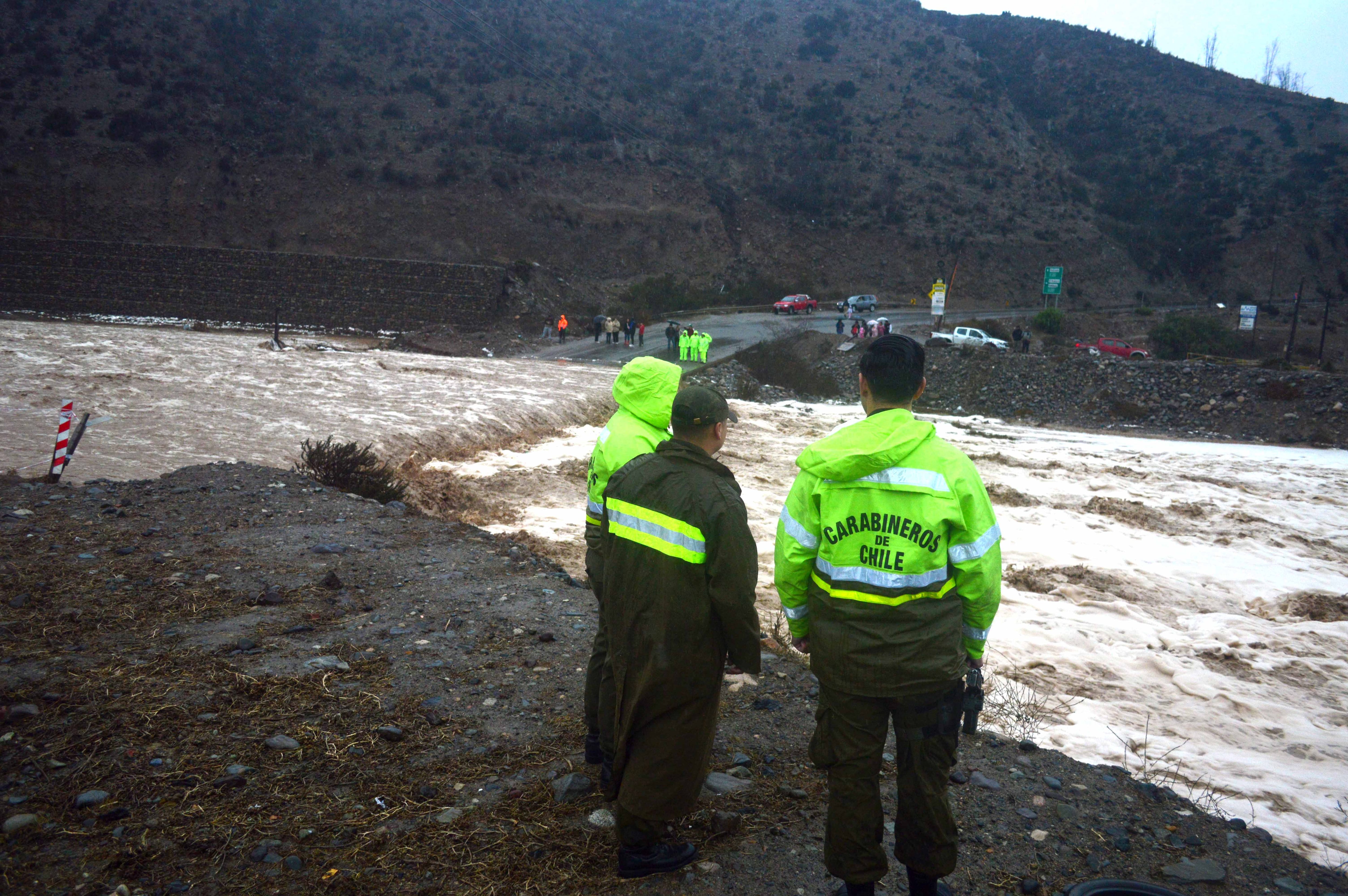
A commentary highlights the apparent inadequacy of bureaucratic and political management in the face of natural disasters. The author criticizes the new emergency organism's bureaucracy, suggesting that many plans and ideas are not being implemented. Mayors are described as lacking the capacity to manage their responsibilities, quickly shifting blame to the central government. This behavior overlooks their primary role as the first point of contact for citizens with the state. The author notes that these officials, including delegates, governors, mayors, councilors, and Cogrid members, often request states of exception during crises, effectively asking others to take over their duties. This situation suggests a fundamental issue with how management is valued as a political asset, or its perceived absence.
The commentary points to a potential disconnect between political responsibilities and effective administrative execution during crises. The reliance on states of exception, as described, may indicate systemic challenges in decentralizing disaster response capabilities or a lack of preparedness at local levels. This dynamic raises questions about the incentives for local governance, particularly regarding proactive resource management versus reactive appeals for central intervention. In the context of increasing climate-related events, the effectiveness and accountability of administrative structures at all levels will be critical for societal resilience and public trust.
AI-generated to prompt reflection — not editorial opinion, not advice, not a statement of fact. How this works.