Political Neutrality in Civic Education: Concerns of Further "Shrinkage"
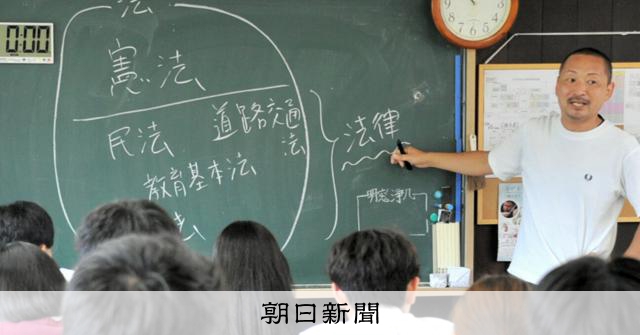
The concept of "political neutrality" in civic education is raising concerns about potential further "shrinkage" or curtailment of the subject matter. This approach, while seemingly aiming for impartiality, may inadvertently lead to a narrowing of the scope of topics covered. Educators and observers worry that this could result in students receiving a less comprehensive understanding of civic responsibilities and political processes. The emphasis on neutrality might discourage the exploration of controversial or sensitive political issues, which are often crucial for developing critical thinking skills. Consequently, students may be less equipped to engage meaningfully in democratic discourse and decision-making. The challenge lies in balancing the need for objective presentation with the imperative to cover the full spectrum of civic life. Without careful consideration, the pursuit of neutrality could paradoxically undermine the very goals of robust civic education. This could lead to a generation less informed and less prepared to participate actively in their society. The potential for a "chilling effect" on open discussion and inquiry within the classroom is a significant concern for the future of democratic engagement.
The drive for "political neutrality" in civic education presents a complex governance challenge. While intended to foster objective learning, an overly strict interpretation risks creating an educational environment that avoids critical engagement with societal issues. This can lead to a "shrinkage" of curriculum, potentially leaving students ill-equipped to navigate the complexities of a democratic society. The underlying incentive may be to avoid controversy, but this can inadvertently stifle the development of informed citizenry. Future educational frameworks should explore methods for presenting diverse perspectives and facilitating critical analysis without compromising pedagogical integrity. The long-term implication of such educational approaches could impact democratic participation and the public's ability to address systemic challenges.
AI-generated to prompt reflection — not editorial opinion, not advice, not a statement of fact. How this works.