Political Parties Blame Culture Administration Over Antisemitism Funding Scandal
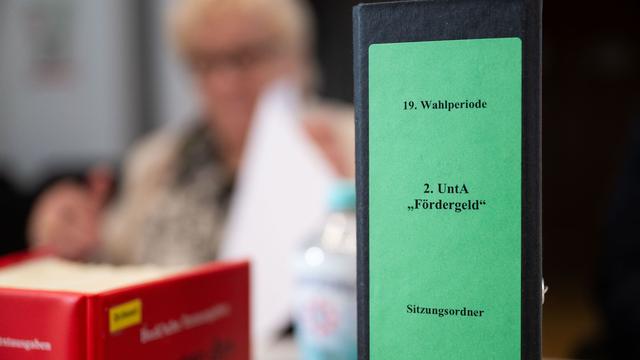
The CDU and SPD parties in Germany are pointing fingers at the culture administration regarding a scandal involving funding for combating antisemitism. Both major political parties have expressed their dissatisfaction and are seeking explanations from the relevant administrative bodies. The controversy centers on how funds designated for anti-antisemitism initiatives were allocated or managed. This situation has led to a public dispute between the political parties and the cultural administration. The specific details of the funding allocation and the nature of the alleged mismanagement are central to the ongoing debate. The parties are demanding transparency and accountability in the handling of these sensitive funds. The scandal highlights potential issues in the oversight and distribution of public money for crucial social programs aimed at combating prejudice and discrimination. Further investigations are expected to clarify the extent of the problem and identify responsible parties.
This funding controversy surrounding initiatives to combat antisemitism raises questions about the administrative processes and oversight mechanisms in place for sensitive public funds. The political dispute between the CDU and SPD and the culture administration underscores the importance of transparent and accountable allocation of resources, particularly when addressing complex social issues like antisemitism. Future governance structures may need to incorporate more robust auditing and reporting requirements to ensure public trust and the effective deployment of funds. Examining the incentive structures within cultural administrations could reveal systemic vulnerabilities that allow for such discrepancies, prompting reforms to strengthen public finance management and prevent future issues.
AI-generated to prompt reflection — not editorial opinion, not advice, not a statement of fact. How this works.