Political Rift Widens Among Mayors Over Tax Exemption Dispute
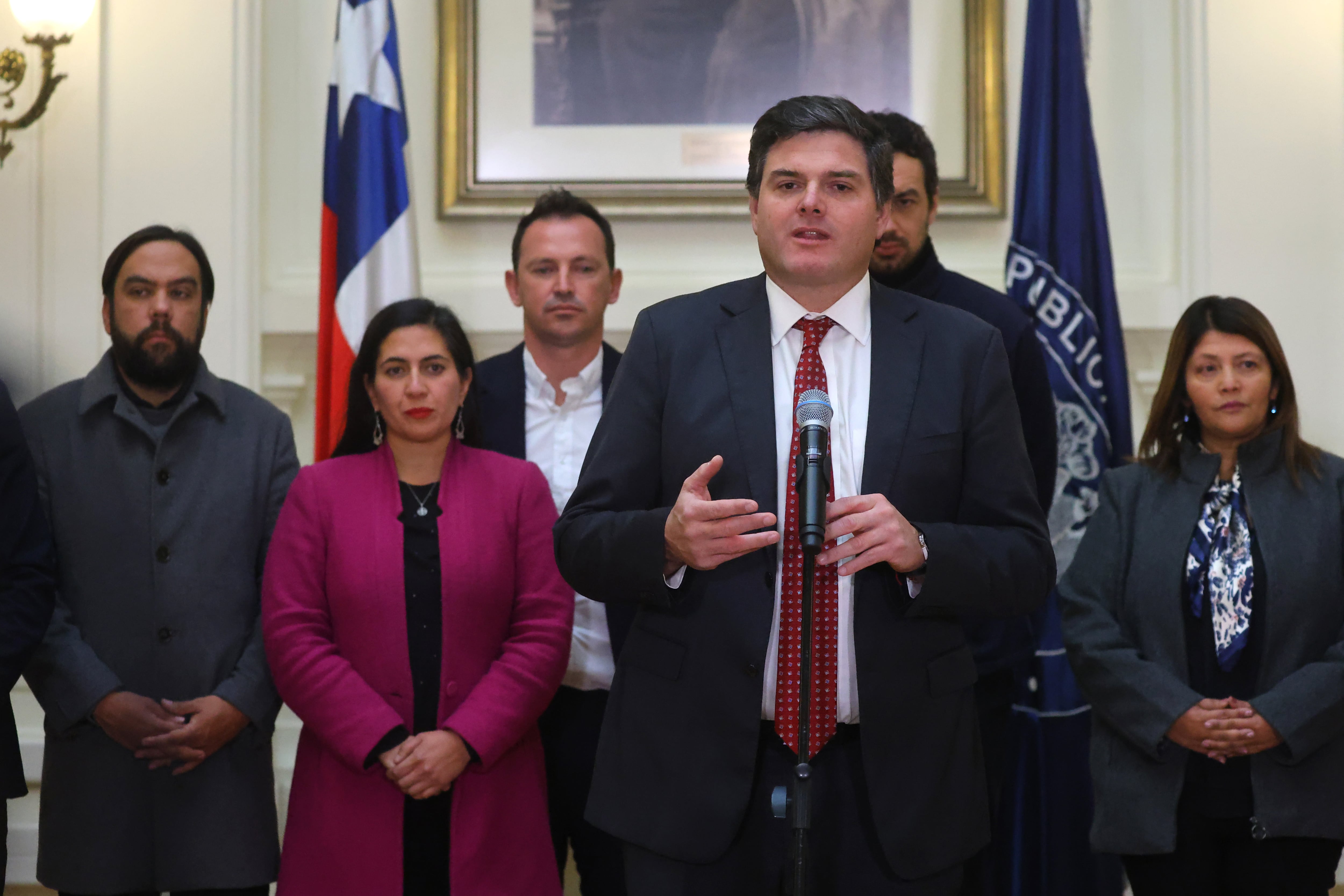
A significant political division has emerged among mayors, primarily along ideological lines, concerning an agreement over tax exemptions. Left-wing mayors are accusing their right-wing counterparts of reneging on a deal related to property tax exemptions. This dispute comes just days before the relevant legislation is scheduled for a final vote in the Senate on August 4th. The right-wing mayors, in turn, are refuting the accusations, asserting that the left-wing officials are misrepresenting the facts. The core of the disagreement appears to stem from the interpretation and adherence to a prior agreement on tax contributions. This conflict highlights underlying tensions and potential instability in inter-municipal cooperation, especially as significant legislative decisions approach. The situation underscores the challenges in maintaining consensus and unified action among diverse political factions within local governance. The outcome of the Senate vote is anticipated to have further implications for the relationships between these municipal leaders.
The escalating conflict between left-wing and right-wing mayors over tax exemptions reveals a common governance challenge: the tension between partisan interests and the pursuit of collective municipal benefit. As a key legislative vote nears, the breakdown in inter-party communication and trust suggests that short-term political maneuvering may be overshadowing long-term collaborative goals. This dynamic could lead to fragmented policy implementation and hinder effective local development. Looking ahead, such discord raises questions about the resilience of inter-municipal agreements in the face of differing political ideologies and the potential for future policy instability. The situation prompts consideration of more robust conflict resolution mechanisms and transparent negotiation frameworks to ensure that legislative processes serve the broader public interest rather than exacerbating political divides.
AI-generated to prompt reflection — not editorial opinion, not advice, not a statement of fact. How this works.