Political Rituals Replace Tradition in Government Gatherings
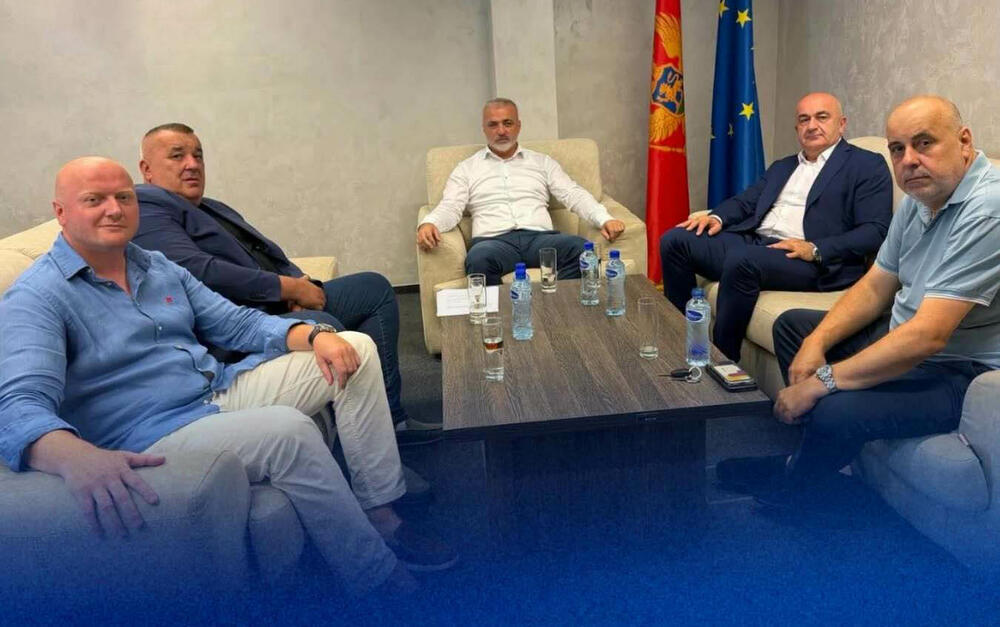
Director Mladen Ivanović observes a concerning trend where traditional customs are being co-opted and transformed into political decoration. He argues that this shift signifies the state's withdrawal from its role as a common good, with political parties increasingly adopting rituals that traditionally belong to family and community life. This transformation suggests a blurring of lines between public and private spheres, where state functions are infused with partisan symbolism.
Vladimir Joković, leader of the SNP, commented on the situation, stating his right to attend and depart as a minister, friend, and party colleague to offer congratulations. His remarks imply a personal perspective on the evolving nature of political participation and relationships within the government. The overall sentiment highlights a critique of how political entities are appropriating cultural practices for their own purposes, potentially diminishing their original meaning and communal significance.
The appropriation of traditional customs by political parties can be analyzed through the lens of symbolic power and state-party dynamics. Such actions may aim to legitimize party rule by associating it with established cultural values, thereby fostering a sense of continuity and national identity under party leadership. This strategy can serve to consolidate political influence by framing party rituals as extensions of community traditions. However, this practice also risks diluting the authentic meaning of these customs and may alienate segments of the population who perceive it as a superficial or manipulative political maneuver. The long-term effect could be a weakening of genuine community bonds if state-sanctioned rituals are seen as replacing, rather than complementing, organic social practices.
AI-generated to prompt reflection — not editorial opinion, not advice, not a statement of fact. How this works.