Politicians Face Widespread Abuse Aimed at Driving Them From Office
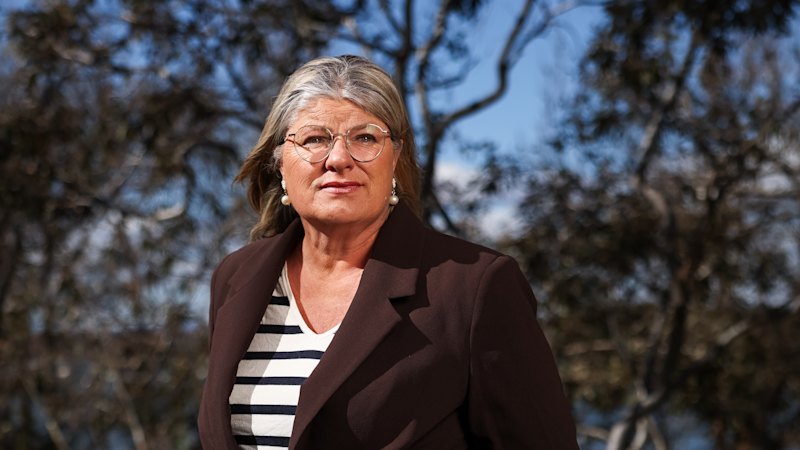
An overwhelming majority of women in politics, nearly 90 percent, have experienced systematic abuse intended to force them out of public office. This issue transcends political affiliations, affecting women across the entire political spectrum. The article highlights that such targeted harassment is a significant barrier to women's participation and retention in public service. While specific examples are not detailed in this excerpt, the statement implies a pattern of behavior that goes beyond mere criticism or disagreement. The abuse described is designed to be so severe or persistent that it effectively pushes women out of their roles. This situation raises concerns about the health of democratic institutions and the representation of diverse voices within them. The prevalence of this issue suggests a systemic problem that requires broader attention and solutions to ensure a more inclusive and equitable political environment.
The pervasive nature of targeted abuse against women in public office, as indicated by nearly 90% experiencing such patterns, suggests a systemic issue within political environments. This form of harassment, designed to ostracize and remove women from leadership roles, likely stems from deeply ingrained societal biases and power dynamics that resist female ascendancy. The effectiveness of such tactics in driving women out of politics not only undermines individual careers but also erodes democratic representation by limiting the diversity of voices and perspectives in governance. Addressing this requires a multi-faceted approach, including robust anti-harassment policies, cultural shifts within political parties and institutions, and public awareness campaigns to reframe acceptable discourse. Over the next decade, as technology potentially amplifies both the reach and anonymity of such abuse, proactive measures will be crucial to safeguard the integrity of public service and foster a more equitable political landscape.
AI-generated to prompt reflection — not editorial opinion, not advice, not a statement of fact. How this works.
