Politicians Using AI Voices Undermine Democratic Authenticity
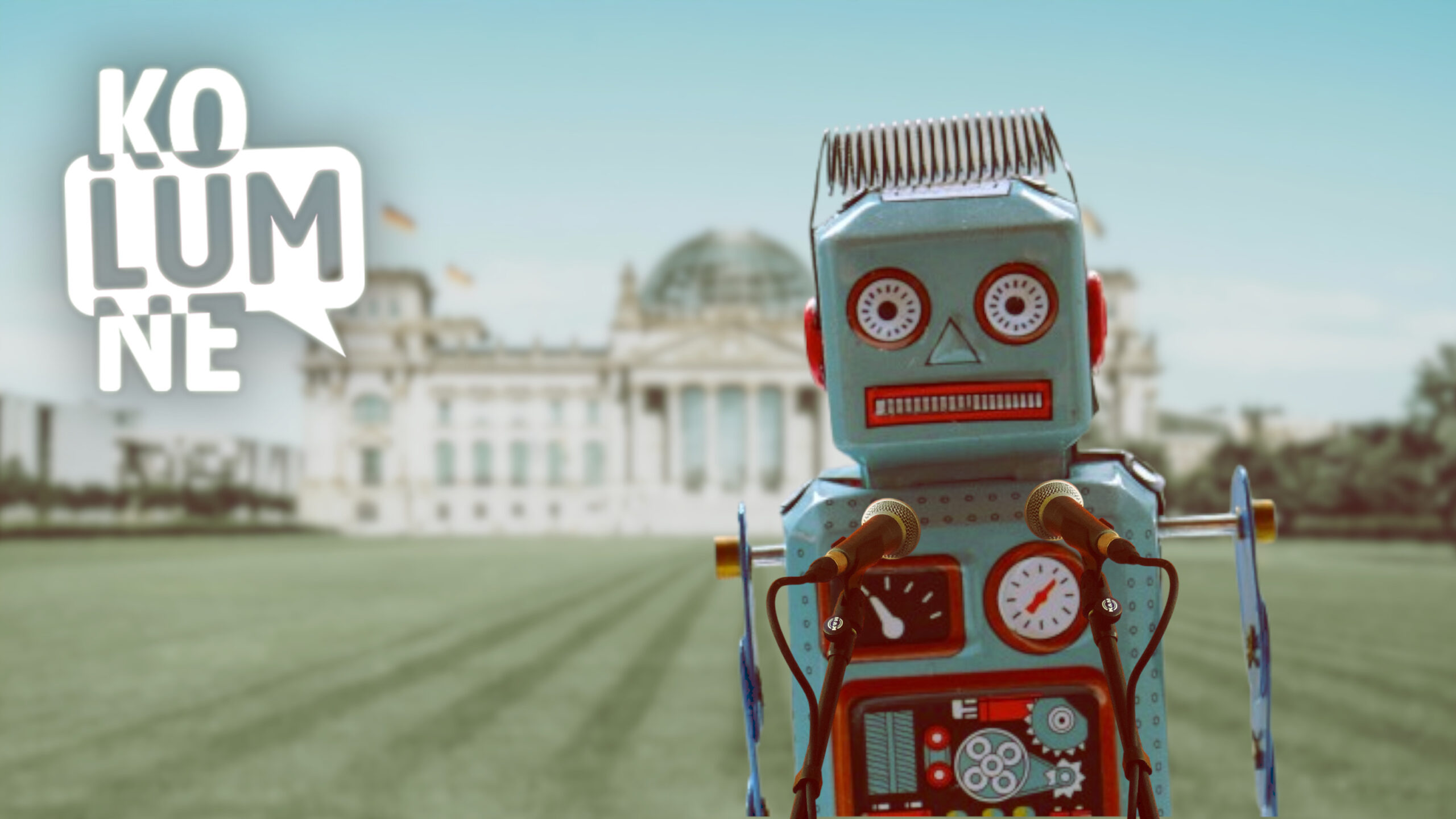
The use of artificial intelligence to generate speeches for politicians raises concerns about authenticity and democratic representation. When machines speak on behalf of elected officials, it can diminish the genuine connection between representatives and the public. Authenticity is a crucial component of a politician's legitimacy, as it fosters trust and accountability. In a democratic system, citizens expect to be represented by human beings who can convey genuine emotion and thought. Relying on AI-generated voices, such as the 'Emilipothèse' toy robot example, risks creating a disconnect. This technology, while potentially efficient, may inadvertently erode the very foundation of representative democracy. The article highlights that the legitimacy of politicians is partly derived from their personal presence and ability to communicate directly. Therefore, the increasing reliance on AI in political communication warrants careful consideration of its impact on public trust and the nature of representation.
AI-generated political speech, while potentially offering efficiency, introduces a systemic risk to democratic authenticity. The core tension lies between the perceived legitimacy derived from human representation and the capabilities of AI to mimic or automate communication. Over-reliance on such technologies could foster a disconnect between constituents and their representatives, potentially eroding public trust. From a governance perspective, clarity on the origin and nature of political messaging is paramount. Future considerations should focus on establishing ethical guidelines and transparency mechanisms to ensure that technological advancements in communication do not inadvertently undermine the fundamental principles of democratic accountability and human representation.
AI-generated to prompt reflection — not editorial opinion, not advice, not a statement of fact. How this works.