Poll: 54% disapprove of Governor Cláudio Castro's term in Rio de Janeiro
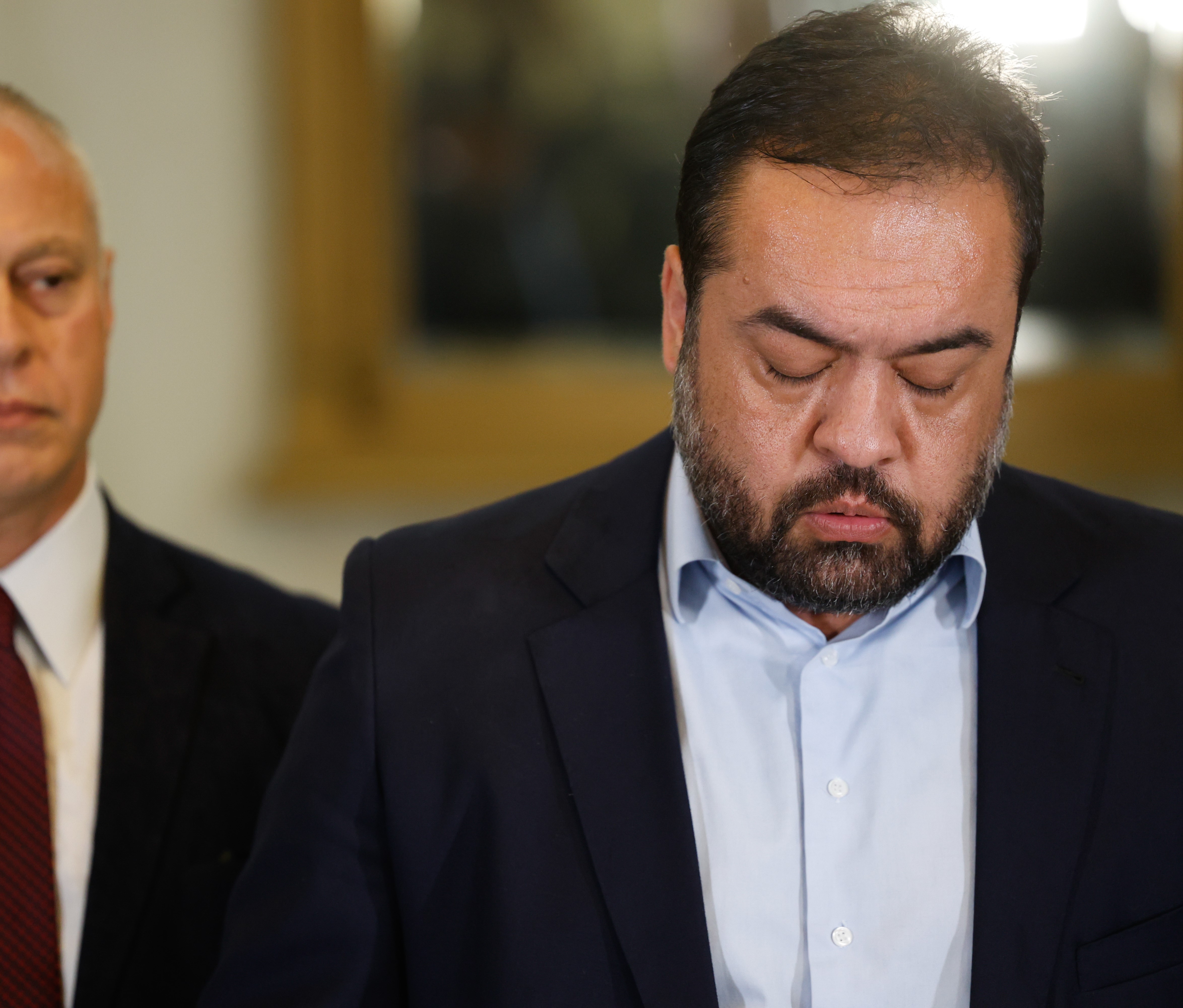
A recent Quaest poll released on Monday, July 27th, indicates that 54% of voters in Rio de Janeiro disapprove of Governor Cláudio Castro's administration, with only 28% approving. The survey also assessed the performance of Ricardo Couto, the acting governor. Couto's tenure received approval from 34% of respondents and disapproval from 25%. Regarding Castro's government, 18% rated it positively, 32% as regular, and 40% negatively, with 10% undecided. For Couto's interim government, 25% found it positive, 30% regular, and 17% negative, while 28% were undecided. Commissioned by Genial Investimentos, the poll surveyed 1,200 Rio de Janeiro voters between July 21st and 25th, with a margin of error of 3 percentage points and a 95% confidence level. This research follows Castro's resignation on March 23rd, just before the Superior Electoral Court (TSE) was set to rule on his ineligibility for abuse of political and economic power during the 2022 elections. Although his mandate was annulled due to his resignation, the situation has led to a debate in the Supreme Federal Court (STF) regarding the method for selecting a new governor for a transitional term until the October elections. The state is currently experiencing an institutional crisis with vacancies in the governor and vice-governor positions, and the STF has yet to decide on whether the next governor will be chosen through direct or indirect election. Cláudio Castro is expected to be barred from running for office until 2030.
This poll data highlights voter sentiment in Rio de Janeiro amidst significant political and institutional flux. The high disapproval rate for Governor Castro, coupled with his recent resignation and ineligibility ruling, suggests a public demand for accountability and effective governance. The interim administration under Ricardo Couto faces the immediate challenge of navigating this crisis and demonstrating competence to a public that remains largely undecided about his performance. The ongoing legal deliberations at the STF regarding the election process for a new governor underscore the complex governance dynamics at play. Future leadership in Rio de Janeiro will likely be shaped by the resolution of these legal questions and the ability of any incoming administration to address the state's institutional challenges and restore public confidence.
AI-generated to prompt reflection — not editorial opinion, not advice, not a statement of fact. How this works.