Poll: US Tariffs Blamed More on Bolsonaro Than Lula
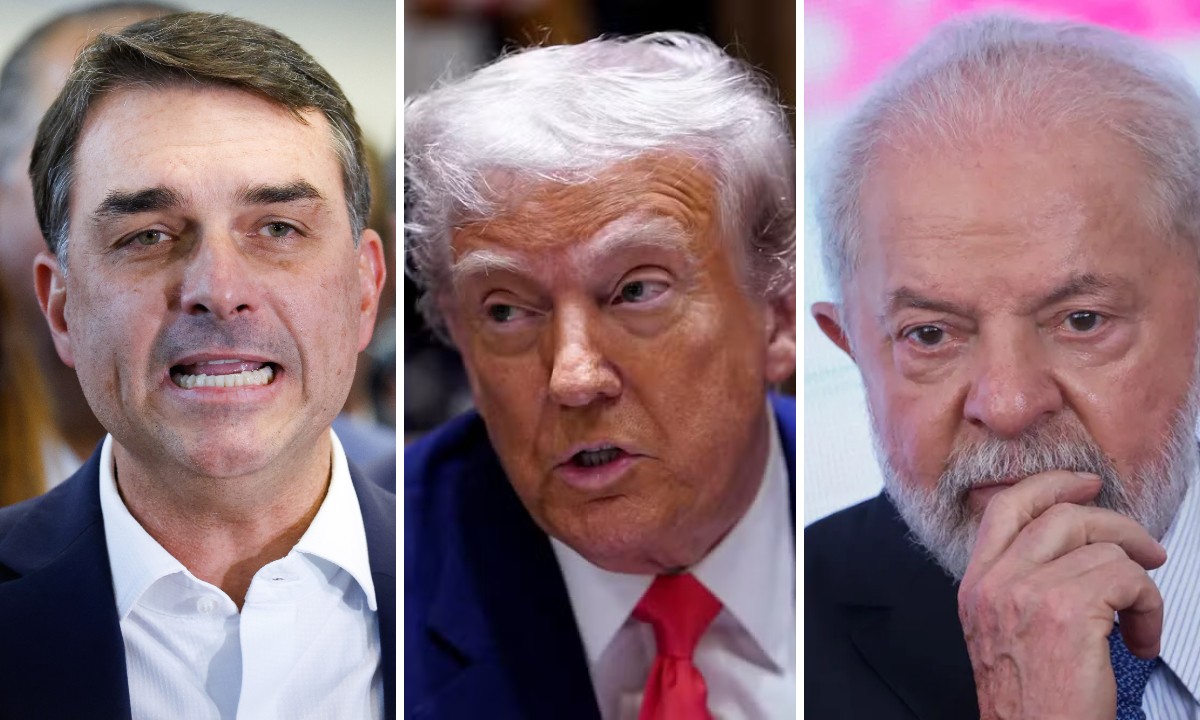
A recent Quaest poll reveals that a majority of Brazilians hold Flávio Bolsonaro responsible for the tariffs imposed by the United States, rather than President Lula. When asked who instigated the tariffs – Flávio Bolsonaro, as Lula accuses, or President Lula, as Flávio claims – 51% sided with Lula's version, while only 30% agreed with Flávio's. This represents an increase in blame attributed to Flávio Bolsonaro since June, when 47% supported Lula's accusation and 35% supported Flávio's defense. The poll also explored the reason for the tariffs, with 49% agreeing with Lula that they are retaliation for Pix, compared to 33% who accept Flávio's explanation that they are a response to President Lula's statements against the U.S. This indicates a widening gap in public opinion on the tariff's origin. Despite Flávio Bolsonaro's trip to the U.S. to discuss the issue with Donald Trump, 57% of Brazilians were unaware of the visit. Among those aware, 58% expressed skepticism about his ability to influence the U.S. government to reverse the tariffs, while only 34% believed he could. Furthermore, 63% of Brazilians anticipate that the new U.S. tariffs on Brazilian products will negatively impact their lives or their families, an increase from 55% in June. The survey, commissioned by Genial Investimentos, polled 2,004 voters from July 10-13, with a margin of error of two percentage points and a 95% confidence level.
This poll highlights a significant public perception challenge for Flávio Bolsonaro regarding the U.S. tariffs. The data suggests that the narrative attributing blame to him is gaining traction, while his counter-narrative is losing ground. The low awareness of his diplomatic efforts and the widespread skepticism about their effectiveness indicate a disconnect between his actions and public confidence. The majority sentiment that the tariffs will negatively impact daily life underscores public concern and potentially increases pressure on political actors to resolve the issue. Future policy decisions and public communication strategies will need to address this perception gap to regain trust and mitigate economic anxieties.
AI-generated to prompt reflection — not editorial opinion, not advice, not a statement of fact. How this works.