Polluted Canal in Ho Chi Minh City Faces Major Redevelopment
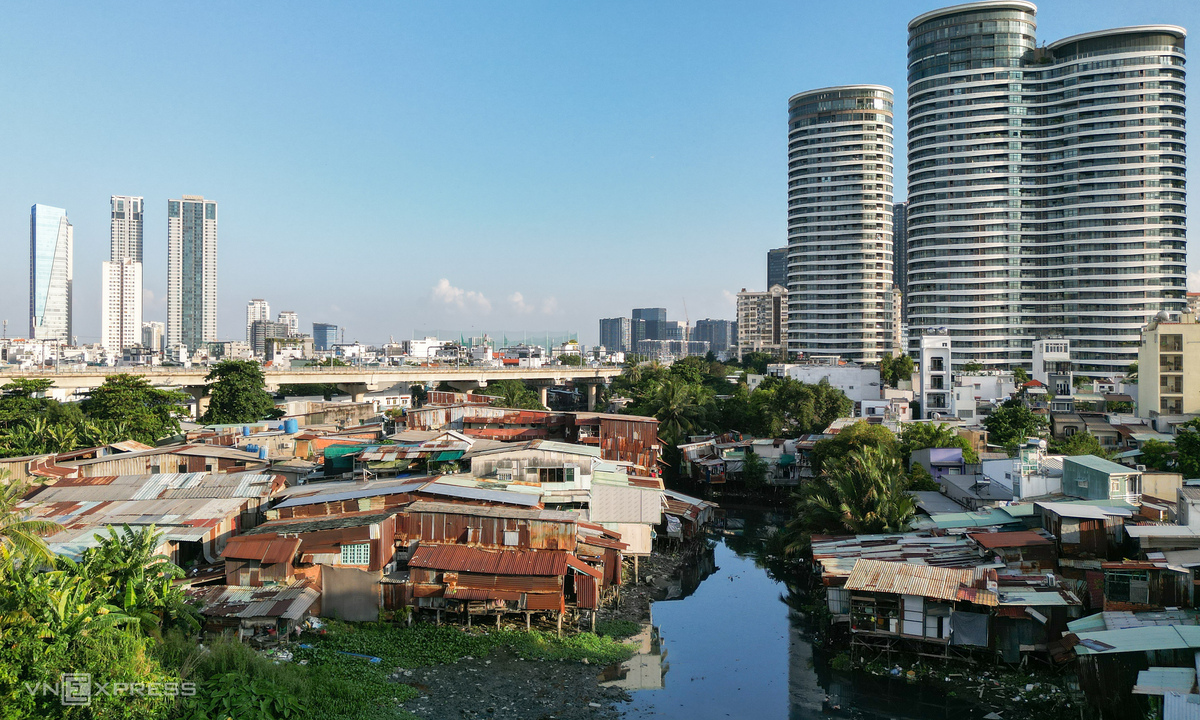
The Van Thanh Canal in the heart of Ho Chi Minh City is heavily polluted with garbage and stagnant black water lining its banks. Hundreds of makeshift homes are built along both sides of the canal. This area is slated for a significant urban renewal project set to begin in early 2027. The city plans to spend over 8,500 billion Vietnamese Dong (approximately $330 million USD) on this redevelopment effort. The project aims to transform the currently degraded environment into a more modern and livable urban space. This initiative is part of a broader strategy to improve infrastructure and living conditions in the city's central districts. The scale of the investment highlights the perceived importance of addressing environmental degradation and urban blight in key areas. The project's success will likely depend on effective waste management and community relocation strategies.
The planned redevelopment of the Van Thanh Canal highlights a common urban challenge where environmental degradation and informal settlements coexist. The substantial investment of over 8,500 billion VND signals a commitment to addressing these issues, likely driven by a desire to improve public health, enhance city aesthetics, and potentially increase property values. However, such large-scale urban renewal projects often involve complex trade-offs. Key considerations for the next decade will include the equitable relocation of residents currently living in makeshift housing, the long-term sustainability of the environmental improvements, and the potential for gentrification that could displace lower-income populations. The project's success will be measured not only by its physical transformation but also by its social impact and its ability to create a more inclusive and resilient urban environment.
AI-generated to prompt reflection — not editorial opinion, not advice, not a statement of fact. How this works.