Polyp Removal During Endoscopy: When and How It's Done
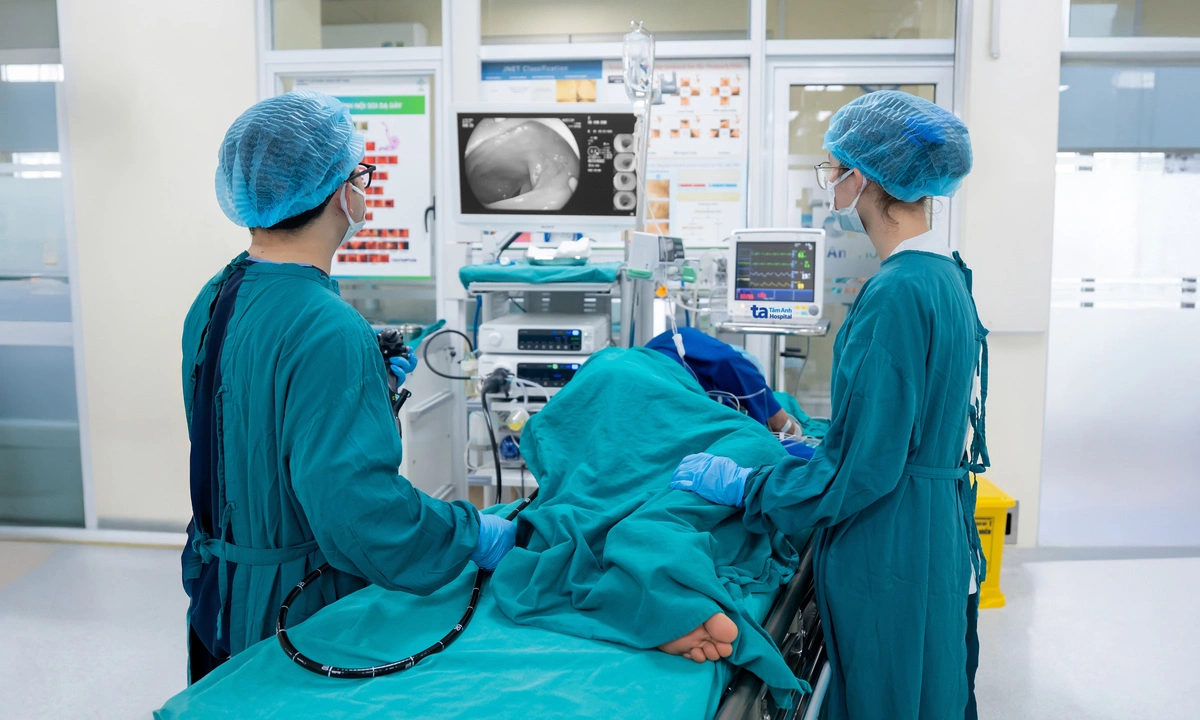
A 46-year-old individual from Hưng Yên, identified as Thu Hương, has inquired about the procedure of polyp removal during gastrointestinal endoscopy. She wants to know if polyps are typically removed immediately upon detection during the examination. Furthermore, she is concerned about the potential pain and significant bleeding associated with the polyp removal process. This question arises as she prepares for her upcoming digestive endoscopy.
The inquiry highlights a common patient concern regarding interventional procedures performed during diagnostic examinations. The decision to remove a polyp during endoscopy is generally based on its size, appearance, and location, with immediate removal often preferred to prevent potential future complications like cancer. The procedure, known as polypectomy, is designed to be as safe and minimally invasive as possible. While minor discomfort or bleeding can occur, these risks are typically managed effectively by the medical team. Understanding the indications and potential outcomes of such procedures can empower patients and reduce anxiety surrounding medical interventions.
AI-generated to prompt reflection — not editorial opinion, not advice, not a statement of fact. How this works.