Pompeii Reveals Ancient Mediterranean Connections Through Art and DNA
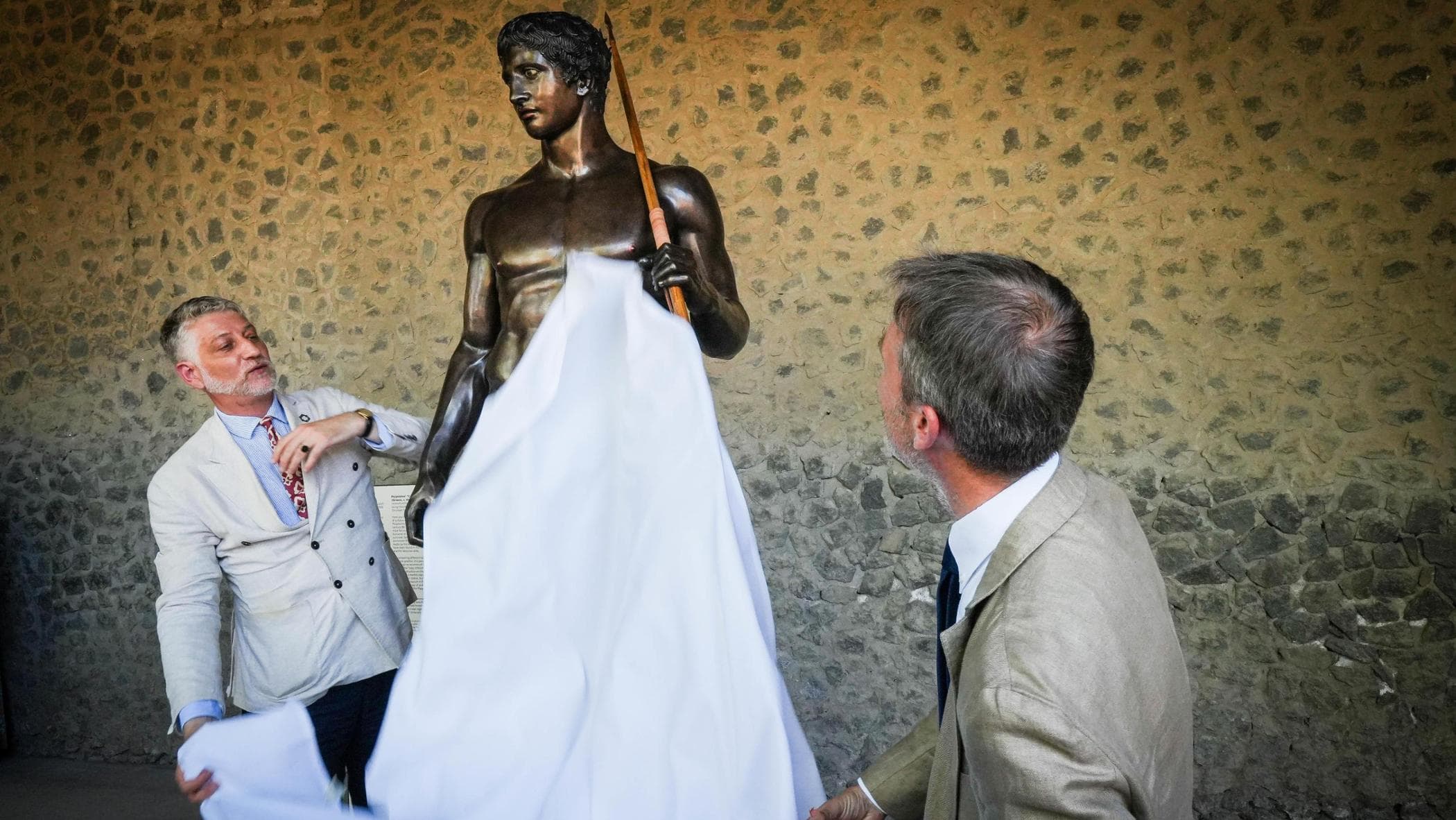
Evidence from Pompeii, including graffiti, artwork, and DNA analysis of victims, strongly indicates the presence of diverse languages and people from across the Mediterranean. These findings suggest a vibrant coexistence of individuals from various regions within the ancient city. The reconstructed Doryphoros (Canon of Polykleitos) sculpture, found at the excavation site, depicts a young man whose origins could be traced to Greece, Italy, Syria, Algeria, or Morocco. This artistic representation is interpreted as an expression of Mediterranean beauty, highlighting the interconnectedness and cultural exchange that characterized the ancient world.
The archaeological findings at Pompeii offer a compelling case study in ancient globalization, demonstrating significant cultural and demographic exchange across the Mediterranean basin centuries before modern concepts of interconnectedness. The presence of diverse languages and origins, confirmed by both artistic and genetic evidence, challenges simplistic notions of isolated ancient societies. Examining these historical patterns through the lens of the next decade's inevitable technological advancements in genetic analysis and AI-powered historical reconstruction can provide deeper insights into human migration, cultural assimilation, and the enduring nature of shared human aesthetics across vast geographical distances. Understanding these historical flows of people and ideas is crucial for navigating contemporary global dynamics and fostering cross-cultural understanding.
AI-generated to prompt reflection — not editorial opinion, not advice, not a statement of fact. How this works.
