Pool Safety Expert Explains How to Identify Compliant Drains
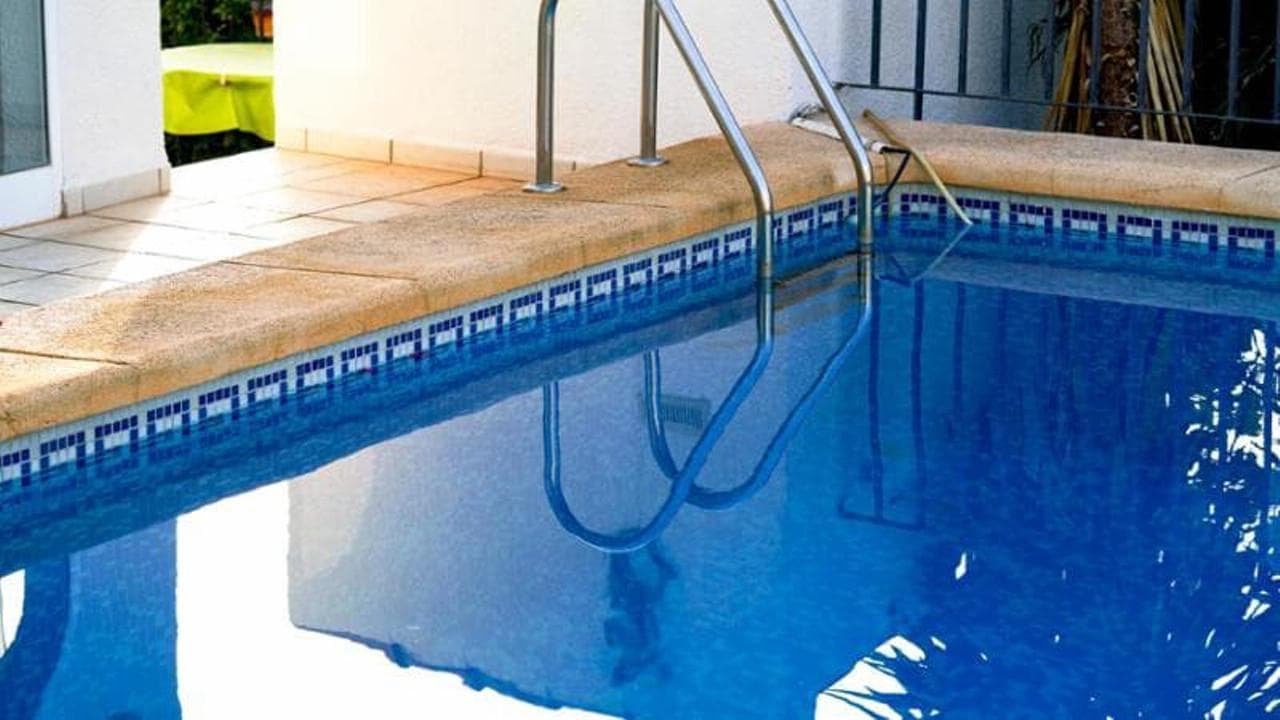
Biologist Saul Aiolfi has provided guidance on how to determine if swimming pool drains meet safety standards. He emphasized that pools must be equipped with specific devices designed to prevent the dangerous "suction effect." Aiolfi acknowledged that it is not easy for a regular user to assess the safety of a pool simply by looking at it. The suction effect can occur when a person's body, or parts of it, become trapped against a pool drain, creating a powerful vacuum. This can lead to serious injury or even drowning. While the exact nature of these required safety devices was not detailed, Aiolfi stressed their critical role in preventing such accidents. He advised that professional inspection might be necessary for a thorough safety evaluation. The expert's comments highlight a potential gap in public awareness regarding pool safety features.
Ensuring public safety in recreational facilities like swimming pools necessitates clear regulatory standards and accessible methods for verification. The expert's statement points to a potential challenge where critical safety mechanisms, such as anti-suction drain covers, are not easily discernible by the general public. This suggests a need for enhanced public education campaigns and potentially more visible or standardized safety certifications. Over the next decade, as AI and automation advance, we may see the development of sensor technologies that can automatically monitor pool drain functionality and alert operators to potential hazards, thereby reducing reliance on manual inspection and user observation.
AI-generated to prompt reflection — not editorial opinion, not advice, not a statement of fact. How this works.