Pool Therapy Offers Freedom for Neurological Patients in Madrid
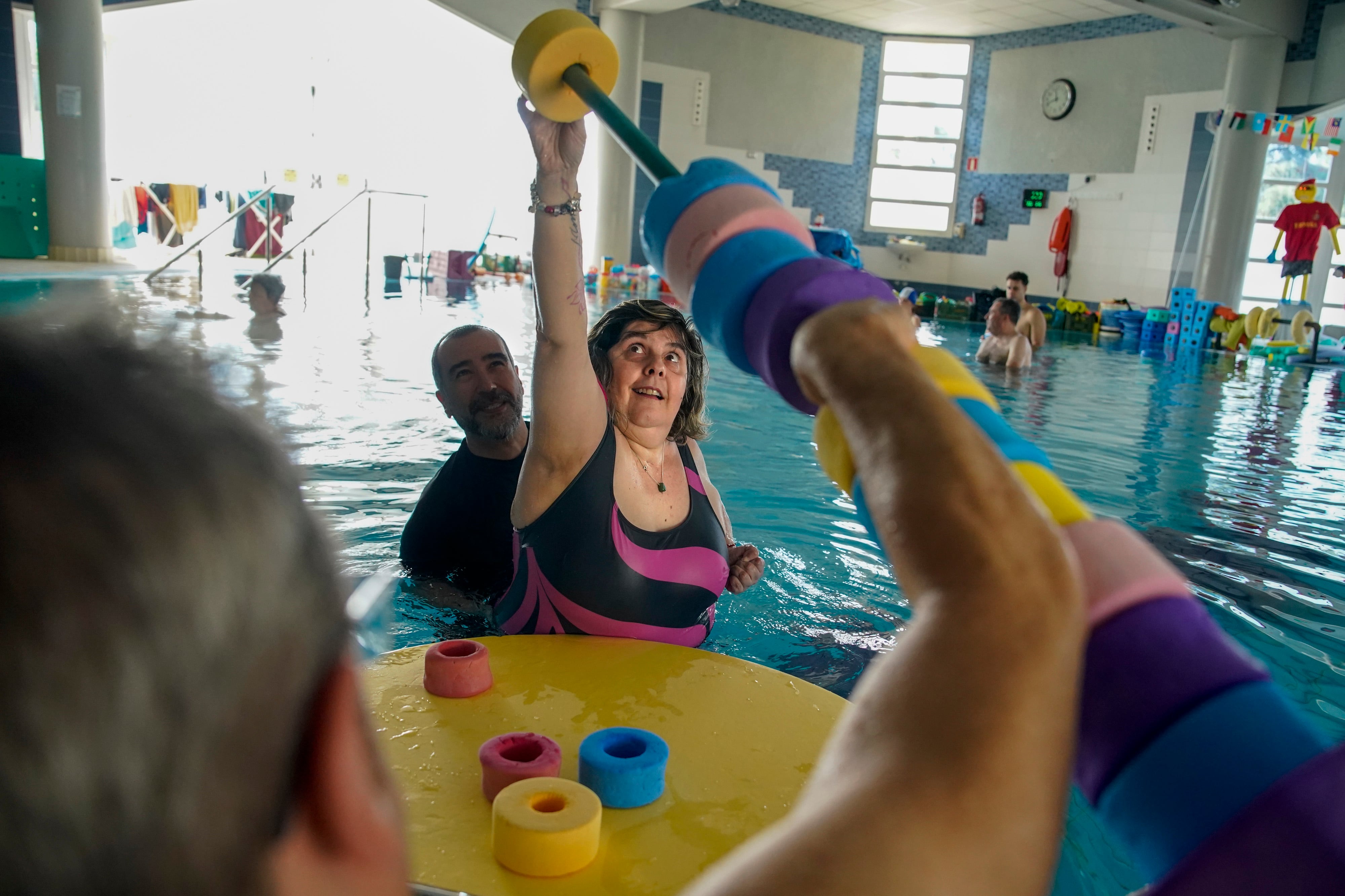
The Fundación Instituto San José in Madrid is utilizing hydrotherapy to assist over 200 individuals suffering from severe neurological conditions, including stroke, ALS (amyotrophic lateral sclerosis), and spinal cord injuries. The therapeutic pool environment provides a unique space where patients can perform movements and activities with a reduced sense of fear and physical burden. For many, the water offers a temporary reprieve from the daily challenges of managing their own bodies, which often feel excessively heavy or difficult to control outside of the pool. This specialized unit focuses on enabling patients to achieve a greater range of motion and independence, recognizing the significant impact of buoyancy and water resistance on rehabilitation. The program aims to improve both physical function and psychological well-being, allowing patients to experience a sense of accomplishment and freedom they might not otherwise have. The institute's commitment to innovative therapeutic approaches underscores the potential of water-based treatments for individuals with complex neurological needs.
The application of hydrotherapy within the Fundación Instituto San José highlights a growing recognition of water's therapeutic potential for individuals with severe neurological impairments. By leveraging the principles of buoyancy and resistance, the aquatic environment mitigates the physical limitations imposed by conditions such as stroke, ALS, and spinal cord injuries. This approach addresses both the physical challenges of reduced mobility and the psychological burden of fear associated with movement. From a systemic perspective, such specialized units represent a crucial component of long-term care, offering an alternative to conventional land-based therapies that may be less effective or more intimidating for certain patient populations. The long-term sustainability and scalability of these programs will depend on continued funding, specialized staff training, and integration with broader healthcare networks, ensuring that such life-enhancing interventions are accessible to a wider demographic facing similar health challenges in the coming decade.
AI-generated to prompt reflection — not editorial opinion, not advice, not a statement of fact. How this works.