Poor Housing Quality Linked to Increased Hospitalization Risk, French Study Finds
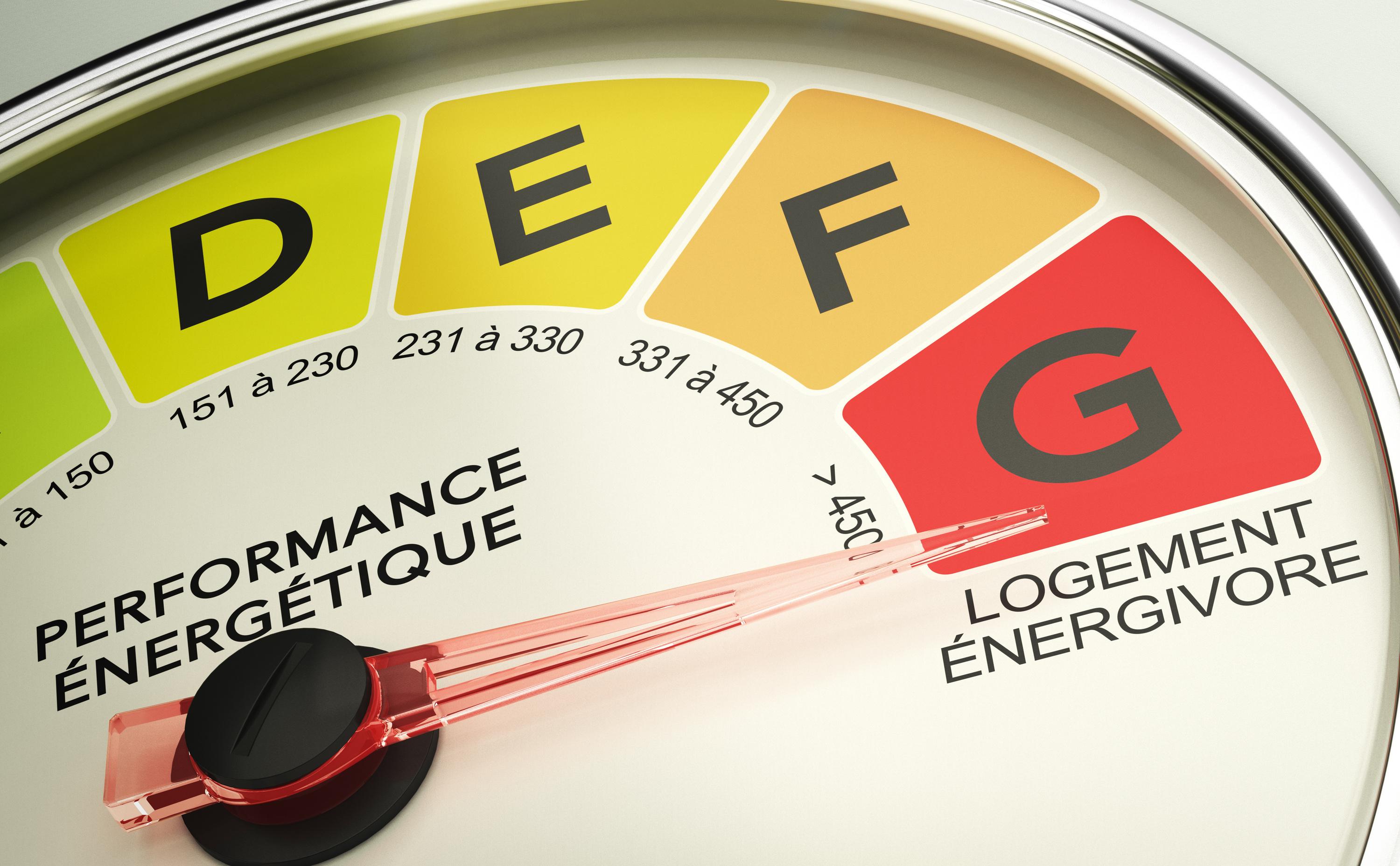
New research from France's National Institute of Health and Medical Research (INSERM) indicates a significant link between the quality of housing and the likelihood of unplanned hospitalizations. The study specifically highlights that individuals residing in what are termed 'thermal sieves' – homes with poor insulation and energy efficiency – face a greater risk of requiring hospital care. These findings suggest that the physical conditions of a dwelling can directly impact residents' health outcomes, leading to more frequent and unexpected medical interventions. The research underscores the importance of housing standards in public health policy. It implies that inadequate housing conditions may contribute to a heavier burden on healthcare systems due to preventable hospital admissions. INSERM's work points to a need for greater attention to the thermal performance and overall quality of residential buildings. Addressing these housing deficiencies could potentially lead to improved public health and reduced healthcare costs.
This research from INSERM highlights a critical intersection between public health and housing policy. The study's findings suggest that 'thermal sieves' may represent a systemic vulnerability, potentially exacerbating existing health conditions or contributing to new ones, thereby increasing the demand for unplanned hospitalizations. From a public health perspective, this points to a need for robust policy interventions that incentivize or mandate improvements in housing energy efficiency and thermal comfort. Such measures could not only reduce healthcare burdens but also align with broader environmental and energy transition goals. Examining the long-term economic trade-offs between investing in housing retrofits and managing the costs of increased hospital admissions will be crucial for policymakers over the next decade.
AI-generated to prompt reflection — not editorial opinion, not advice, not a statement of fact. How this works.