Pope Francis Honors Migrants Lost at Sea, Urges EU Action
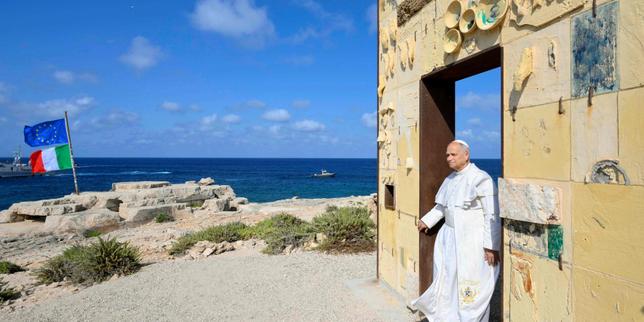
Pope Francis visited the Italian island of Lampedusa, a site that has become emblematic of the tragic deaths of migrants attempting to cross the Mediterranean Sea. During his visit, the Pope implored Europe to respond more effectively to what he described as the "historic call" presented by the ongoing migration crisis. His message emphasized the need for a more compassionate and robust approach to assisting those undertaking perilous journeys across the Mediterranean. The Pope's presence on Lampedusa served as a powerful visual and symbolic gesture, drawing international attention to the humanitarian challenges posed by irregular migration. He called upon the European Union to develop comprehensive strategies that address the root causes of migration and ensure the safety and dignity of migrants. The visit highlighted the urgent need for solidarity and collective action among European nations to manage migration flows humanely and effectively.
Pope Francis's visit to Lampedusa underscores the persistent humanitarian crisis at Europe's borders. The appeal to the "historic call" suggests a framing of the migration challenge as a moral imperative for the European Union, rather than solely a logistical or political issue. This framing invites a re-evaluation of existing EU policies, potentially highlighting a tension between national sovereignty concerns and the ethical obligations of humanitarian aid. The focus on the Mediterranean route points to systemic vulnerabilities in border management and rescue operations, prompting consideration of long-term solutions that address both push factors in origin countries and pull factors in destination countries. Future policy discussions may need to balance security imperatives with international refugee law and human rights principles, particularly in the context of an evolving geopolitical landscape and the increasing impacts of climate change on displacement.
AI-generated to prompt reflection — not editorial opinion, not advice, not a statement of fact. How this works.