Pope Francis's social agenda may cause discomfort for Argentina's government
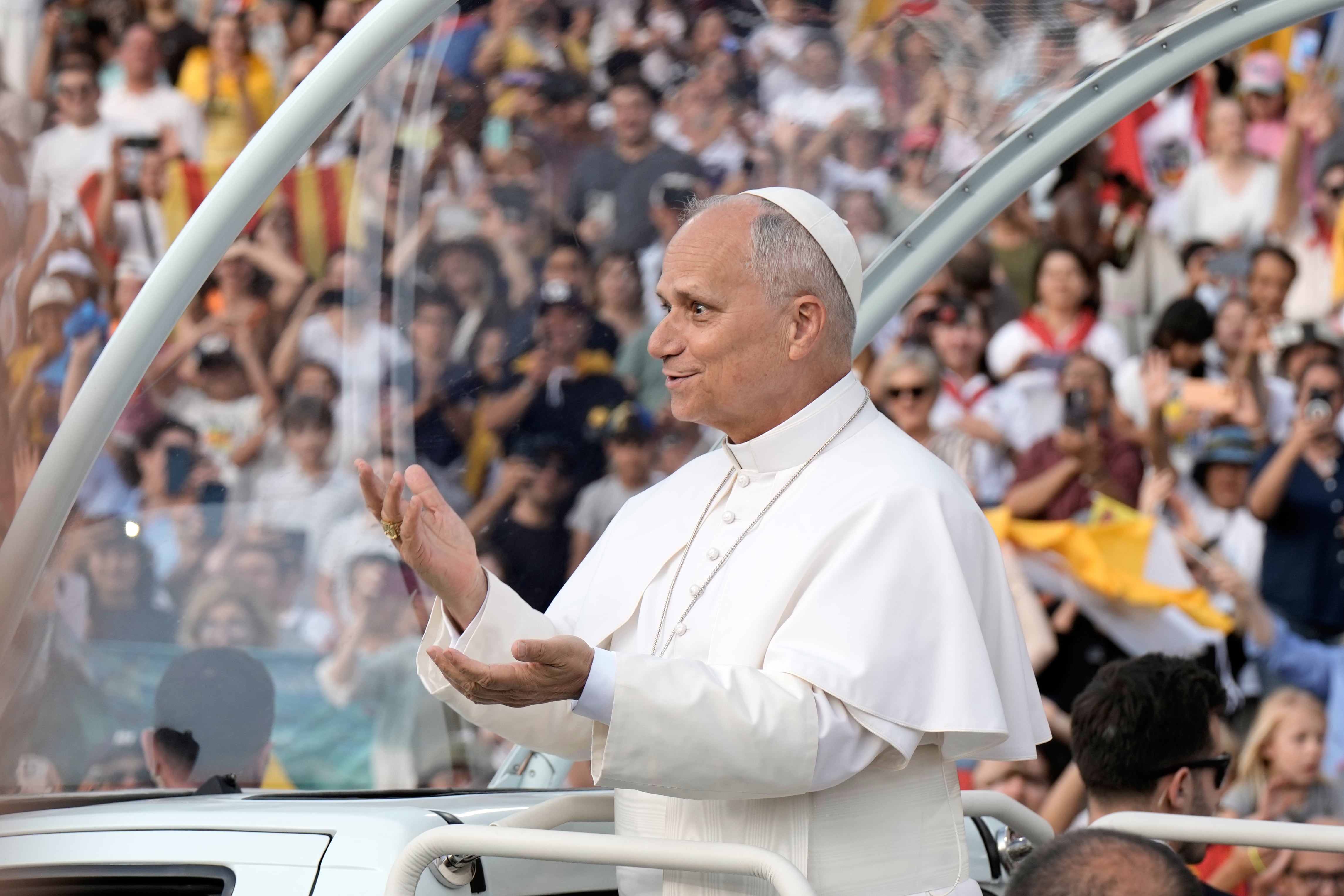
Pope Francis's upcoming visit to Argentina is expected to bring discussions on poverty, social justice, employment, and polarization, issues that are central to his papacy. These themes, deeply rooted in his social doctrine, could create unease within the current Argentine government. The Pontiff has consistently advocated for the marginalized and has been a vocal critic of economic policies that exacerbate inequality. His pronouncements often challenge established political and economic structures, pushing for more equitable distribution of resources and opportunities. The Argentine government may find itself in a difficult position as the Pope's moral authority and global influence could amplify criticisms of its social and economic policies. The visit presents an opportunity for dialogue but also a potential source of tension, as the Pope's agenda aligns with social movements and concerns that may not be fully embraced by the administration. The specific messages he delivers will be closely watched for their potential impact on public discourse and government policy.
Pope Francis's anticipated focus on social justice and economic inequality during his visit to Argentina, while aligning with his established pastoral mission, presents a complex dynamic. The potential for "discomfort" within the government suggests a divergence between the Vatican's advocacy for the poor and the administration's policy priorities or political realities. This situation highlights the ongoing tension between faith-based social critique and state governance, particularly concerning economic policy. The Pope's influence as a global moral leader could amplify domestic calls for social reform, creating leverage for civil society organizations. The government faces a strategic challenge: to acknowledge the Pope's concerns without undermining its own policy framework or appearing unresponsive to popular sentiment. This visit underscores the enduring role of religious institutions in shaping public discourse on socio-economic issues and the potential for such influence to impact political agendas, especially in a historically Catholic nation.
AI-generated to prompt reflection — not editorial opinion, not advice, not a statement of fact. How this works.