Pope Francis visits Lampedusa, a symbolic gesture for migrant protection
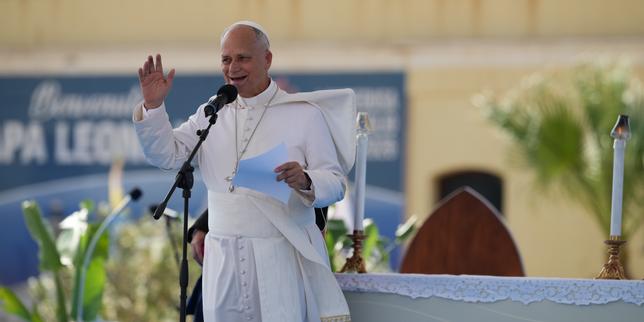
Pope Francis made a significant visit to the Italian island of Lampedusa on Saturday, thirteen years after his predecessor Pope Benedict XVI. Lampedusa has become a poignant symbol of the tragic deaths of migrants attempting to cross the Mediterranean Sea. The pontiff, who is American, chose this specific location and timing for his visit, which coincided with the 250th anniversary of the United States' independence under the Trump administration. This choice itself was intended as a powerful message. The Pope's visit underscores the ongoing humanitarian crisis and serves as a direct appeal for the protection of migrants facing perilous journeys.
Pope Francis's visit to Lampedusa, a key transit point for migrants and a symbol of Mediterranean tragedy, carries substantial geopolitical and humanitarian weight. By choosing this location and timing, particularly on the US Independence Day, the Pope signals a critique of exclusionary immigration policies and highlights the moral imperative to address the migrant crisis. This action leverages the symbolic power of his office to draw global attention to the plight of vulnerable populations, urging a more compassionate and comprehensive approach to migration. The visit implicitly challenges nations, including the US, to re-evaluate their responsibilities and governance frameworks concerning asylum and humanitarian aid, framing the issue within a broader context of global solidarity and ethical stewardship for the coming decade.
AI-generated to prompt reflection — not editorial opinion, not advice, not a statement of fact. How this works.