Pope Francis Visits Lampedusa, Calls for Greater European Action on Migrant Crisis
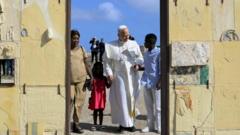
Pope Francis visited the Italian island of Lampedusa, a primary arrival point for migrants crossing the Mediterranean, to pay tribute to those who have died at sea. During his visit, the pontiff urged European nations to increase their efforts in assisting and welcoming migrants. He laid flowers at a cemetery on the island, commemorating the lives lost in perilous journeys. The visit highlighted the ongoing humanitarian challenges faced by migrants attempting to reach Europe and underscored the Pope's consistent call for compassion and solidarity. Lampedusa has been a focal point for the European migrant crisis, with thousands arriving on its shores annually. The Pope's presence aimed to draw global attention to the plight of these individuals and encourage a more robust response from international communities. He emphasized the need for a humane approach to migration policies and greater cooperation among European countries to address the crisis effectively. The visit served as a powerful reminder of the human cost of irregular migration and the moral imperative to provide aid and protection.
Pope Francis's visit to Lampedusa and his subsequent appeal to Europe highlight the persistent humanitarian challenges posed by migration flows. The pontiff's message emphasizes a moral and ethical imperative for nations to act, framing the issue as one of solidarity and shared responsibility. From a systemic perspective, this event underscores the tension between national sovereignty, border security concerns, and the international obligations to protect vulnerable populations. The Pope's call for increased action prompts consideration of the economic and social integration capacities of receiving countries, as well as the effectiveness of current EU policies in managing external borders and processing asylum claims. The long-term implications involve navigating the complex interplay of geopolitical factors, humanitarian crises in origin countries, and the evolving demographic landscape of Europe.
AI-generated to prompt reflection — not editorial opinion, not advice, not a statement of fact. How this works.