Pope Leo XIV Addresses Halleluya 2026 Youth on Social Media and AI
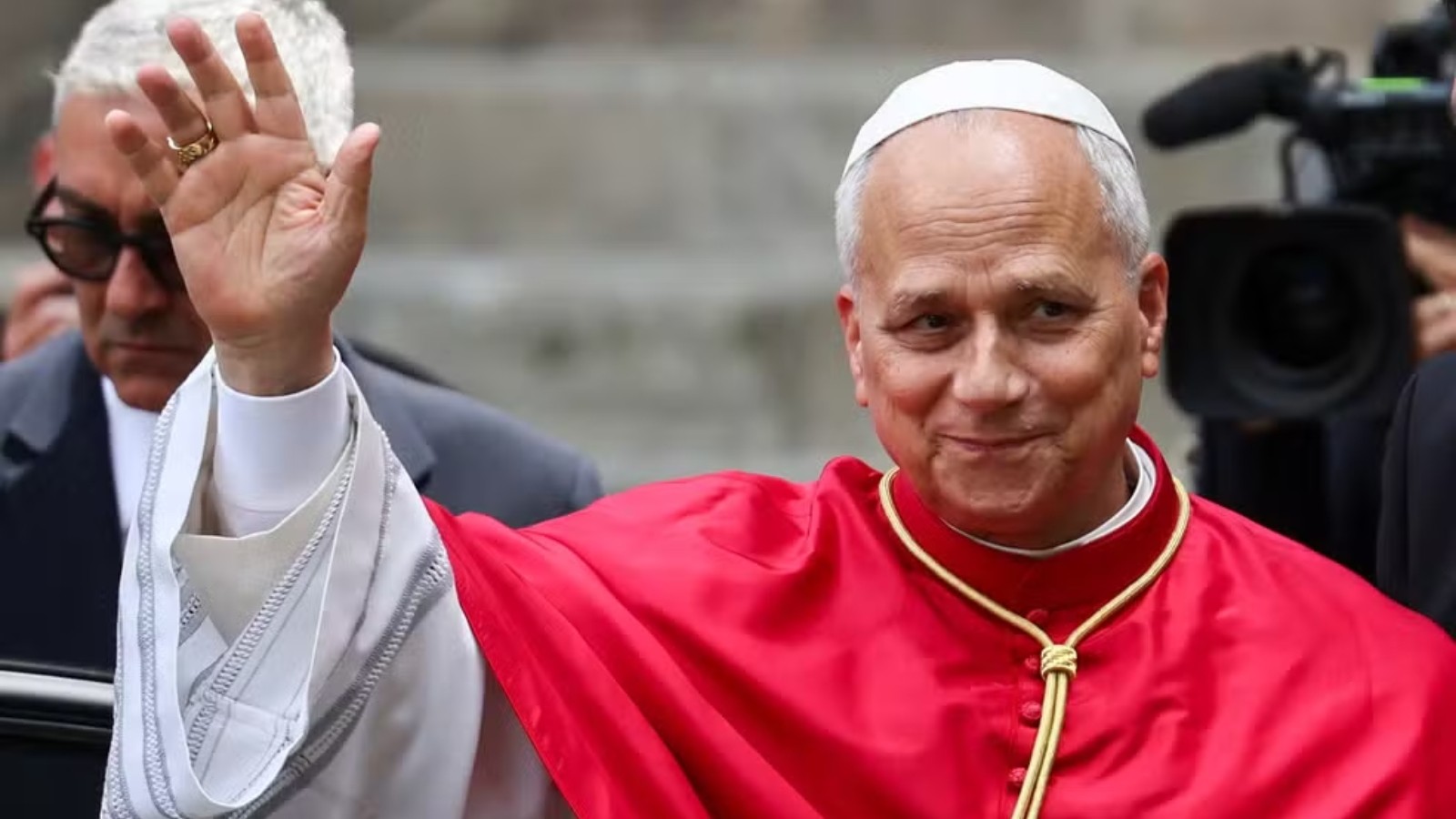
Pope Leo XIV sent a video message to participants of the Halleluya 2026 festival, which was shown on Saturday, July 25th. He expressed joy in virtually attending the event, noting its role in touching hearts through music, praise, and worship. The Pope highlighted the significant enthusiasm of young people, stating it inspires a renewed apostolic fervor within the Church and provides the missionary vigor needed to transform the world with the Gospel. A key focus of his message was guidance on navigating the digital world. Citing Saint Carlo Acutis as an example, Pope Leo XIV advised young attendees to use social media and artificial intelligence with moderation and discipline. He cautioned that these tools could lead individuals into an "unreal world" where superficiality and appearance overshadow genuine values and what truly matters. The Pope concluded by praying for the Holy Spirit to empower the youth as a force for building a "city of peace" and the "City of God" within human society. The Halleluya 2026 festival, held at the Uirapuru Spiritual Condominium (CEU), is scheduled to continue until Sunday, July 26th. Organizers anticipate one million attendees over the five-day event, which features Catholic music and performers like Frei Gilson, Padre Marcelo Rossi, and Padre Fábio de Melo. This year's theme is "An even bigger and better Halleluya!" and includes infrastructure improvements, notably the expansion of the Arena Halleluya from 60,000 to 90,000 square meters.
Pope Leo XIV's address to the Halleluya festival attendees highlights a growing concern among religious and societal leaders regarding the pervasive influence of digital technologies, specifically social media and artificial intelligence, on youth. By referencing Saint Carlo Acutis, a patron saint of the internet, the Pope frames responsible digital engagement within a spiritual context, emphasizing moderation and discipline to counteract the potential for escapism and superficiality. This perspective underscores a broader societal challenge: how to integrate rapidly advancing technologies into human life without compromising core values and genuine human connection. The analysis suggests that as AI and digital platforms become more sophisticated, fostering critical digital literacy and a strong ethical framework will be crucial for individuals, particularly young people, to navigate these complex environments constructively and maintain a grounded sense of reality and purpose.
AI-generated to prompt reflection — not editorial opinion, not advice, not a statement of fact. How this works.