Pope Leo XIV Honors Drowned Migrants in Lampedusa
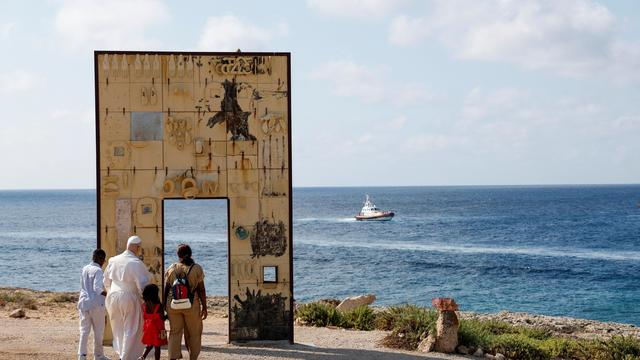
Pope Leo XIV visited the Mediterranean island of Lampedusa to commemorate migrants who have drowned during their journey. The island has a migrant pier named after his predecessor, Pope Leo XIII. This visit highlights the ongoing humanitarian crisis faced by refugees attempting to cross the Mediterranean Sea. Lampedusa has become a focal point for migration issues, serving as a primary arrival point for many seeking refuge in Europe. The naming of the pier signifies the island's role and its acknowledgment of the challenges faced by those undertaking dangerous sea voyages. Pope Leo XIV's presence underscores the Vatican's continued concern for the plight of migrants and refugees worldwide. The event serves as a solemn reminder of the human cost associated with irregular migration and the need for compassionate solutions. The Pope's visit aims to draw international attention to the urgent need for safe and legal pathways for asylum seekers.
The Pope's visit to Lampedusa brings a significant humanitarian issue to the forefront, focusing on the tragic loss of life among migrants. This event highlights the persistent challenges of irregular migration and the ethical considerations surrounding border control and refugee reception. The naming of the migrant pier after a previous Pope suggests a long-standing engagement with this crisis by religious institutions, potentially influencing public discourse and policy discussions. From a systemic perspective, the situation in Lampedusa exemplifies the complex interplay of geopolitical instability, economic disparities, and international cooperation failures that drive such perilous journeys. Future policy frameworks will need to address both immediate humanitarian needs and the root causes of displacement, considering the long-term implications for European integration and global migration governance in an era of increasing climate-induced displacement and conflict.
AI-generated to prompt reflection — not editorial opinion, not advice, not a statement of fact. How this works.