Popular Artists Opt for Fewer Concerts in More Cities, Creating New Trends
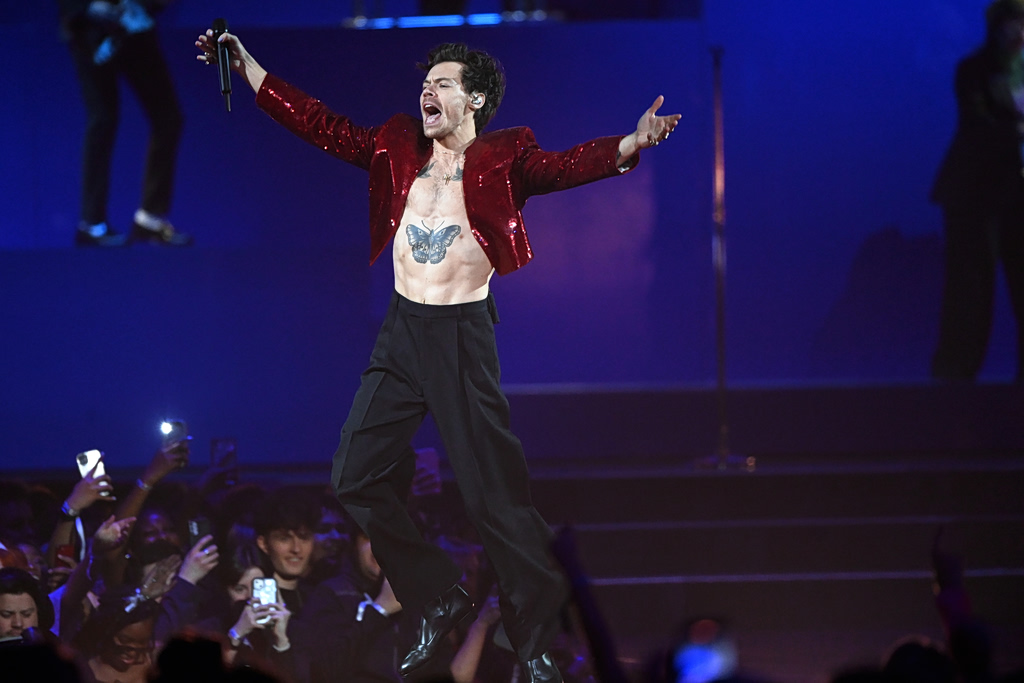
Popular artists are increasingly adopting a new strategy of performing fewer concerts but in more cities. This trend aims to reduce travel, leading to significant cost savings for both artists and organizers. Additionally, it allows for a more efficient use of resources and potentially a broader reach to audiences across different locations. However, this shift also introduces new challenges and potential inequalities within the music industry. While some artists and venues may benefit from this streamlined approach, others might find it harder to secure performances or reach their target fan bases. The economic implications are complex, with potential savings in travel costs being offset by increased logistical planning for multiple, shorter engagements. This evolving concert model reflects a broader industry adaptation to economic pressures and changing audience engagement patterns.
The shift towards fewer, more widely dispersed concerts by popular artists suggests a strategic response to rising logistical costs and environmental concerns associated with extensive touring. This approach optimizes resource allocation, potentially increasing profitability per event while reducing the carbon footprint. However, it may exacerbate market concentration, favoring established artists with the drawing power to fill venues in numerous cities. This could create barriers for emerging artists and smaller venues, potentially leading to greater economic disparities within the live music sector. The long-term sustainability of this model will depend on balancing economic efficiency with equitable access to live performances for diverse audiences and artists.
AI-generated to prompt reflection — not editorial opinion, not advice, not a statement of fact. How this works.