Popular Reservoir's Water Level Drops Sharply, Impacting Tourism
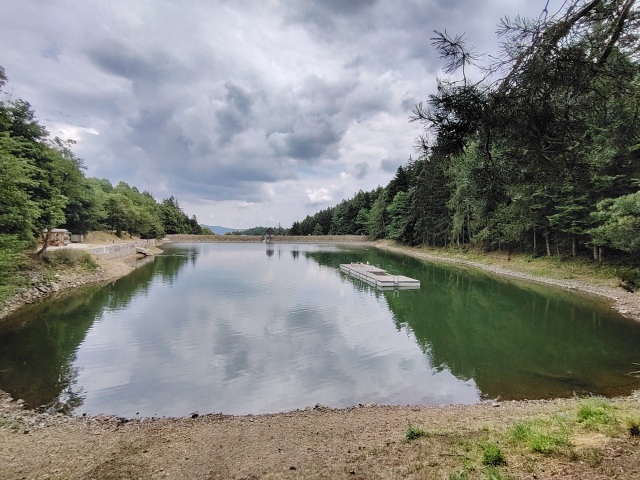
A popular reservoir near a historic mining town is experiencing a significant and persistent drop in its water level, a problem that has now lasted for two seasons. This visible decline has led to a substantial decrease in the number of tourists and recreational visitors compared to previous years. The reservoir, known for its accessibility, is a key attraction in the region. The reduced water level is negatively affecting local tourism, which relies on the reservoir's appeal. This situation has persisted for a considerable period, indicating a potential long-term issue rather than a temporary fluctuation. The impact on tourism is a direct consequence of the diminished aesthetic and recreational value of the site. Local authorities and stakeholders are likely concerned about the economic repercussions of this decline. Further investigation into the causes of the water level drop is warranted to address the situation effectively.
The sustained decline in the reservoir's water level presents a challenge to the region's tourism-dependent economy. This situation highlights the vulnerability of natural attractions to environmental changes and resource management issues. The reduced visitor numbers suggest a potential need for adaptive strategies, such as diversifying local attractions or implementing water conservation measures. Over the next decade, as climate variability potentially increases, such water-scarce environments may face greater pressure, necessitating proactive planning for resource sustainability and economic resilience. Understanding the root causes, whether hydrological, climatic, or related to water usage, will be crucial for developing long-term solutions that balance ecological health with economic activity.
AI-generated to prompt reflection — not editorial opinion, not advice, not a statement of fact. How this works.