Popular Sayings Endure Through Generations
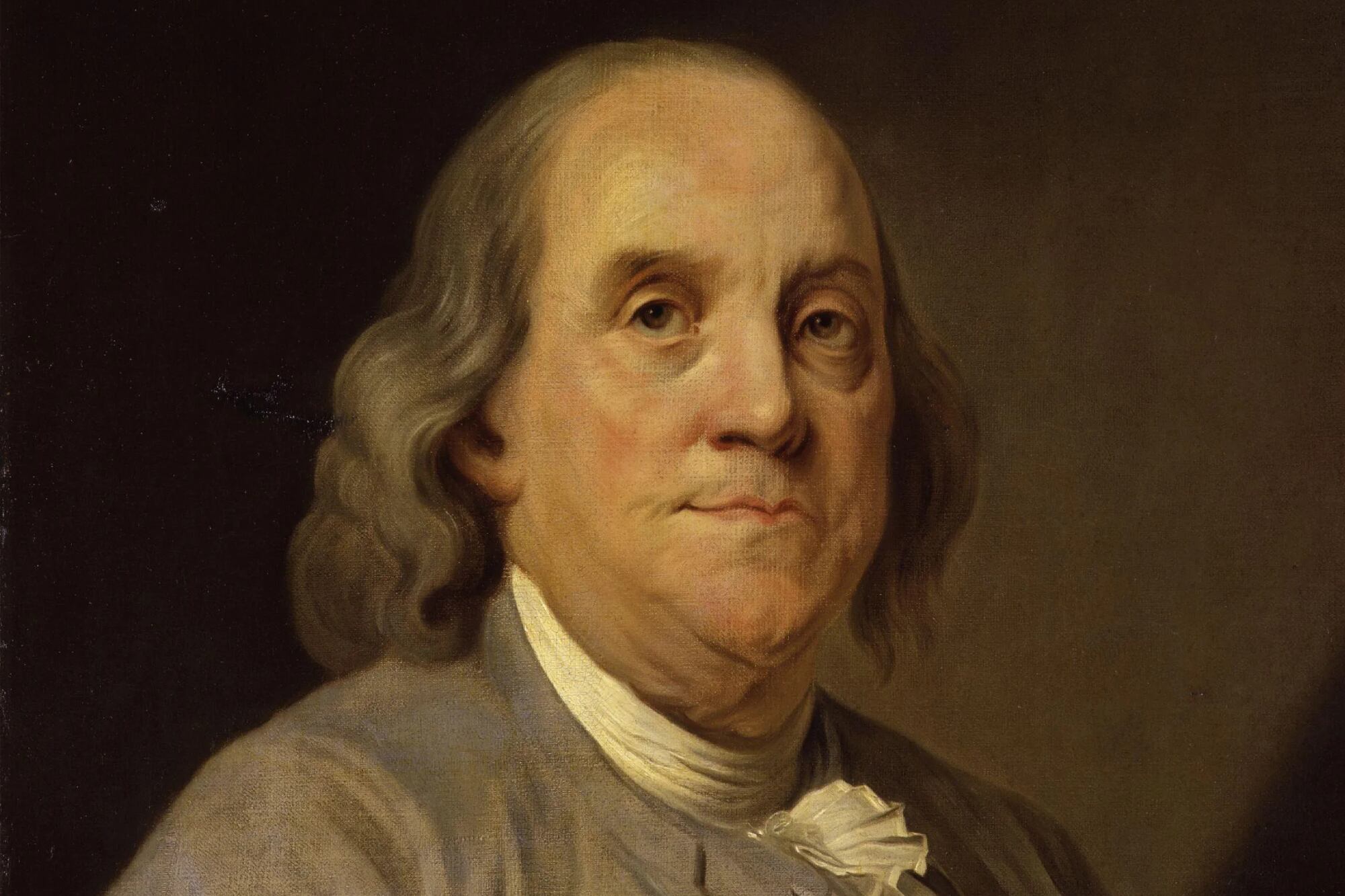
Popular phrases have a remarkable ability to persist across centuries and generations. Often, their origins are not questioned by those who continue to use them. This enduring nature highlights how cultural expressions can be passed down through time, maintaining relevance even as societies evolve. The longevity of these sayings suggests a deep-seated human tendency to connect with and transmit shared linguistic heritage. Without a clear understanding of their provenance, these phrases become embedded in the collective consciousness. Their survival speaks to the power of oral tradition and the subtle ways in which language shapes cultural identity. The lack of inquiry into their beginnings does not diminish their impact but rather underscores their integration into everyday communication. These linguistic artifacts continue to serve as a link to the past, albeit an often unexamined one.
The persistence of popular phrases across generations, often without scrutiny of their origins, points to the powerful role of cultural inertia and collective memory in language. This phenomenon can be analyzed through the lens of memetics, where successful linguistic units replicate and spread due to their utility, resonance, or simply their ubiquity. The lack of critical examination into their source material may indicate a societal comfort with inherited narratives, potentially masking outdated or irrelevant original meanings. In the AI era, understanding how such phrases are transmitted and evolve could offer insights into the dynamics of information propagation and the potential for both cultural enrichment and the perpetuation of unexamined biases. Future analysis might explore the selective pressures that favor the survival of certain phrases over others and the implications for contemporary communication.
AI-generated to prompt reflection — not editorial opinion, not advice, not a statement of fact. How this works.