Porsche Driver Denies Speeding in Highway Crash, Defense Claims Braking for Radar
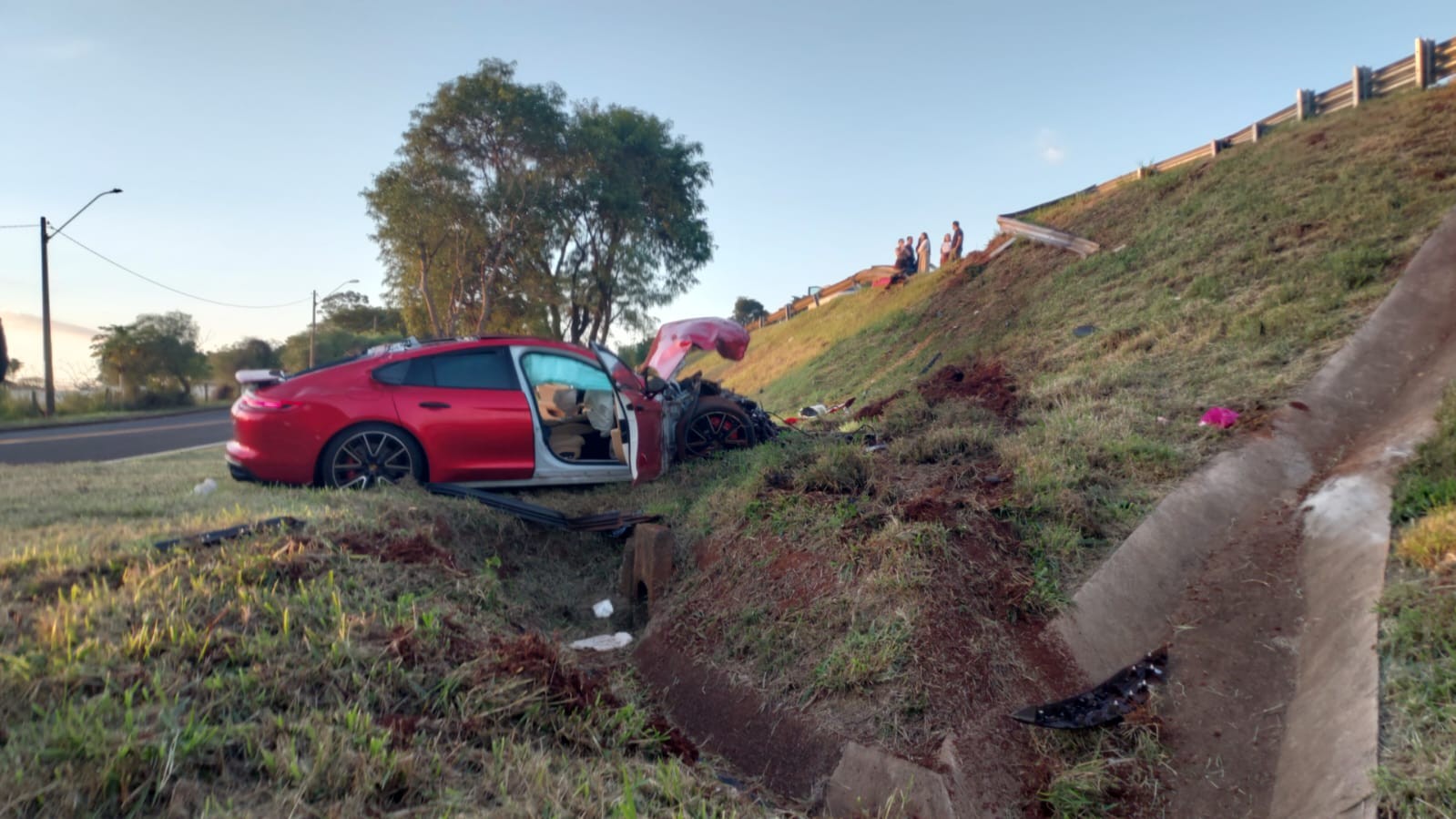
The driver of a Porsche involved in a collision with a pickup truck on Saturday, April 4th, on the highway connecting Ribeirão Preto (SP) to the Bonfim Paulista district, denies driving at high speed, according to his defense. The driver has been identified as Ivan Claro de Oliveira Júnior, a local real estate owner. His lawyer, Bruno Corrêa, stated that Oliveira Júnior claims he was braking for a nearby speed radar, suggesting his speed was not excessive immediately after passing it. However, witnesses reported that the Porsche was traveling significantly over the 90 km/h speed limit on the José Fregonezi Highway. One witness estimated the vehicle's speed at 200 km/h and stated she yielded to him due to his dangerous driving. The collision occurred shortly after, involving the vehicle in front of her, according to the witness. The defense also denies that Oliveira Júnior consumed alcohol before driving, with the lawyer advising him to refuse a breathalyzer test while awaiting legal counsel. The accident happened around 5 PM at km 310 of the José Fregonezi Highway in Bonfim Paulista. The impact caused both the Porsche and the pickup truck to fall approximately seven meters from the highway, with the pickup truck rolling over. The driver of the pickup truck sustained minor injuries and was taken to a private hospital. Traffic management company RP Mobi deployed three units to the scene to manage traffic, assist emergency medical services, and clear the roadway.
This incident highlights the tension between witness accounts and the defense's narrative regarding vehicle speed. The driver's claim of braking for a radar, if true, could suggest an attempt to comply with traffic regulations, yet it contrasts sharply with witness estimations of extreme speed. The refusal to take a breathalyzer test, while a legal right, can be perceived as an effort to avoid potential legal ramifications, regardless of actual impairment. The significant height from which the vehicles fell underscores the severity of the impact, raising questions about vehicle dynamics and road safety infrastructure on this particular highway stretch. Future considerations should include examining the effectiveness of speed enforcement mechanisms, the role of vehicle technology in accident reconstruction, and the potential for improved roadside safety barriers to mitigate the consequences of high-speed incidents.
AI-generated to prompt reflection — not editorial opinion, not advice, not a statement of fact. How this works.