Port of Santos Enhances Ebola Preparedness Amidst Congo Outbreak
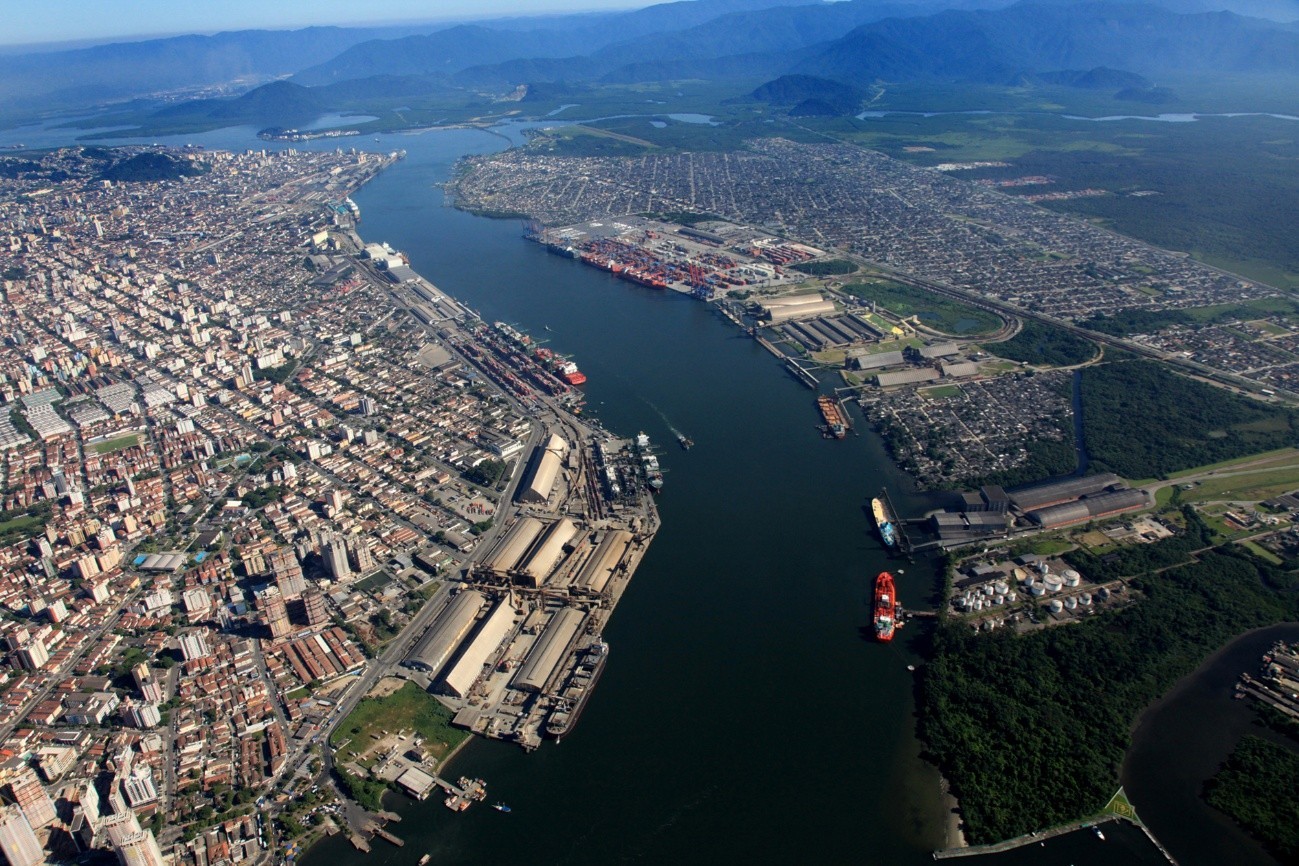
The Port of Santos in São Paulo, Brazil, is intensifying its protective measures against the Ebola Virus Disease (EVD) following an outbreak in the Democratic Republic of Congo. The World Health Organization (WHO) declared a global health emergency during an assembly in May, prompting the Port Authority of Santos (APS) to bolster control measures for incoming international vessels. This initiative, a collaboration with the Santos Epidemiological Surveillance Group (GVE) and the National Health Surveillance Agency (Anvisa), began in June. Efforts include training port professionals and enhancing inter-institutional coordination for public health emergencies. In June, maritime pilots underwent training on personal protective equipment (PPE) for potential boarding of suspected virus-carrying ships, covering transmission, clinical signs, and prevention. Medical teams at the port also reviewed disease aspects and PPE usage in early July. The port's Public Health Event Contingency Plan was refined, detailing procedures for suspected onboard cases and responses to suspected deaths during voyages. The Democratic Republic of Congo outbreak has reported over 600 suspected cases and approximately 139 deaths, with at least four healthcare workers among the fatalities. The WHO notes the disease's average fatality rate is around 50%, with historical rates varying from 25% to 90%. Despite the severity, the WHO clarified that this specific outbreak does not meet the criteria for a pandemic emergency.
The Port of Santos's proactive measures reflect a necessary alignment with global health directives, particularly concerning the significant public health threat posed by the Ebola outbreak in the Democratic Republic of Congo. The WHO's declaration of a global health emergency, despite not meeting pandemic criteria, underscores the potential for rapid escalation and international spread. This situation highlights the critical importance of robust biosecurity protocols at major international transit hubs like the Port of Santos, which handles substantial cargo and passenger traffic. The emphasis on training, inter-agency coordination, and contingency planning demonstrates a systemic approach to risk mitigation. Looking ahead, such preparedness will become increasingly vital as global travel and trade continue to expand, necessitating continuous evaluation and adaptation of public health surveillance and response mechanisms to counter emerging infectious diseases.
AI-generated to prompt reflection — not editorial opinion, not advice, not a statement of fact. How this works.
