Port of Santos Inaugurates R$2 Billion Rail Hub to Streamline Cargo Transport
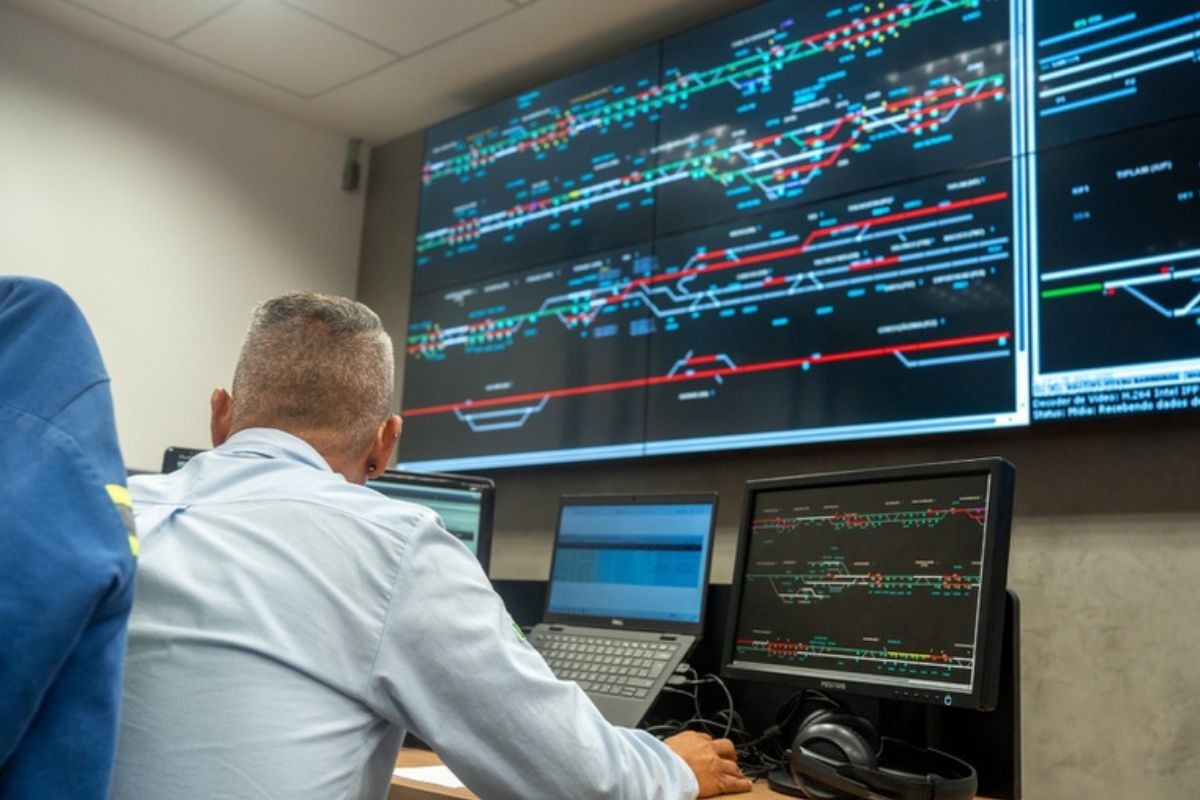
The Port of Santos has received a R$2 billion investment in its rail infrastructure with the inauguration of the Integrated Operational Control Center (CCOI). This new facility aims to enhance logistical efficiency and increase cargo throughput at South America's largest port complex. The investment, made by MRS Logística, is intended to alleviate bottlenecks and bolster the port's competitiveness. The CCOI will serve as a central hub for four railway concessionaires: MRS, Rumo, VLI, and the Port of Santos Internal Railway (FIPS).
The plan mandates these companies to collaborate, synchronizing train movements to prevent route overlaps and improve operational pacing. This integration is expected to bring greater predictability and speed to loading and unloading processes. Minister George Santoro highlighted that the investment will boost the Port of Santos' productivity, enabling more cargo to be moved in less time, thereby reducing logistical costs and enhancing Brazil's overall competitiveness. The inauguration ceremony, held on Tuesday, the 30th, was attended by MRS Logística President Guilherme Segalla de Mello, National Land Transport Agency (ANTT) Director-General Guilherme Sampaio, and other officials. Minister Santoro also noted that optimizing rail cargo transport will positively impact the port-city relationship, contributing to urban conflict resolution and public safety.
The establishment of the Integrated Operational Control Center (CCOI) at the Port of Santos represents a significant public-private investment aimed at optimizing rail logistics. By centralizing control and fostering cooperation among multiple railway operators, the initiative seeks to address systemic inefficiencies and improve the flow of goods. This development aligns with broader trends towards digitalization and integrated supply chain management, crucial for maintaining global competitiveness in the coming decade. The project's success will hinge on sustained collaboration between the concessionaires and effective oversight by regulatory bodies like the ANTT, ensuring that the intended benefits of reduced costs and increased throughput are realized. Furthermore, the stated objective of mitigating urban conflicts highlights the growing importance of considering the socio-environmental impacts of large-scale infrastructure projects.
AI-generated to prompt reflection — not editorial opinion, not advice, not a statement of fact. How this works.