Port of Santos launches R$16.8 million tender for employee water transport
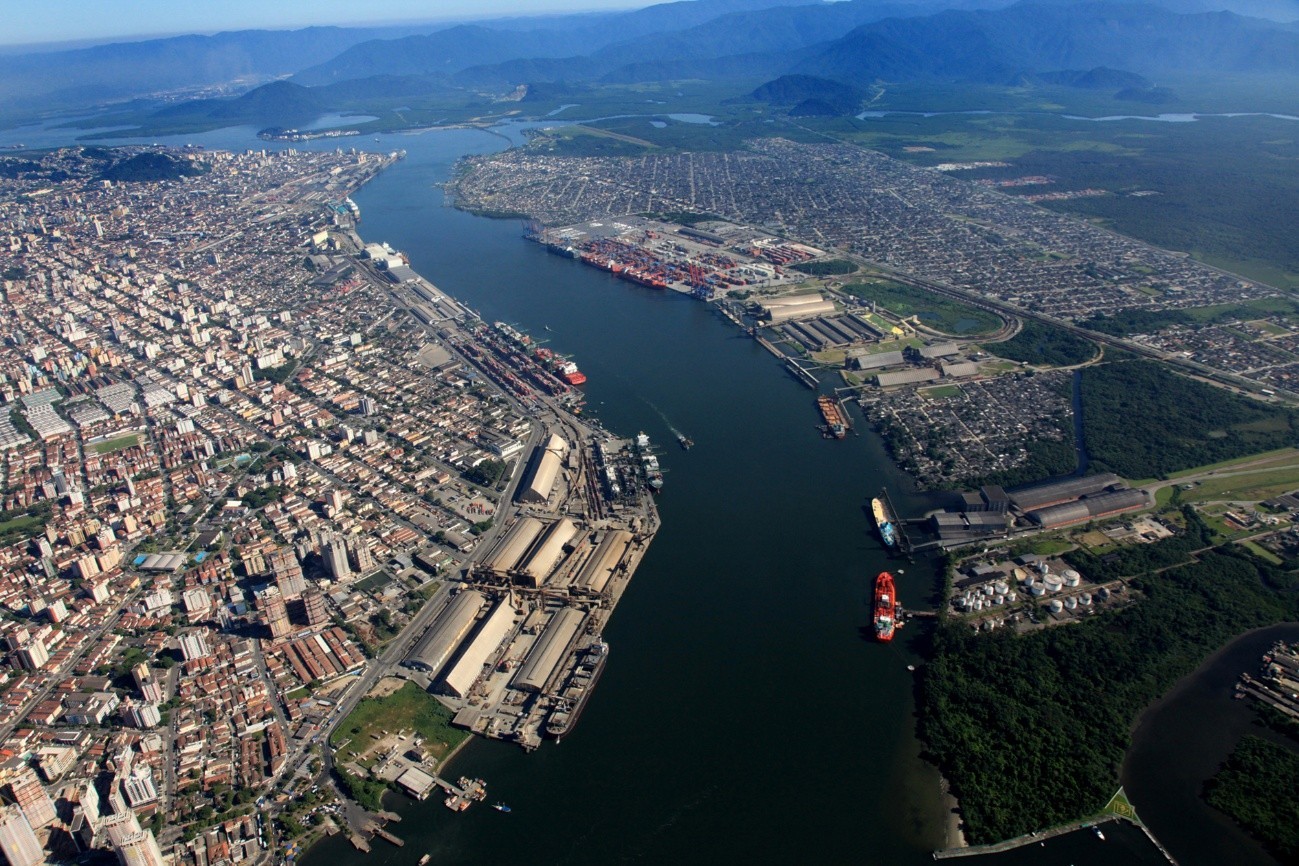
The Port of Santos Authority (APS) has announced a tender valued at R$16,850,733.33 to contract a water transport company for its employees. This service will cover three routes along the São Paulo coast: Santos-Guarujá (TEV/Santos Brasil), Santos-Ilha Barnabé, and Bertioga-Vila de Itatinga. The contract will be valid for 30 months, with the company submitting the lowest bid securing the deal. Monthly payments will be made to the winning company within 30 days of invoice approval. Proposals are due by 10 AM on August 3, 2026, submitted through the Licitações-e system of Banco do Brasil. The selected company must sign the contract within five business days of being notified and commence operations on the first business day after signing. This transport is exclusively for APS collaborators, inspectors, authorities, and technicians, aiming to facilitate access to difficult-to-reach areas and reduce travel times, thereby ensuring continuous 24-hour port operations. In addition to regular routes, the provider must also supply boats for official APS activities, including environmental inspections, supervisions, studies, and technical visits within the estuary and port channel. Bidders must demonstrate legal, fiscal, labor, and financial capacity. The contract includes provisions for annual adjustments based on inflation (IPCA), financial compensation for late payments by APS, and adjustments for unforeseen tax changes.
This tender highlights the logistical complexities and operational necessities of a major port authority like APS. The significant investment in specialized water transport underscores the critical need for reliable and efficient employee movement to maintain 24-hour operations in areas not easily accessible by land. From a systems perspective, this contract represents an optimization strategy to mitigate risks associated with delayed or disrupted land-based transit, thereby ensuring operational continuity. Future considerations might involve evaluating the long-term cost-effectiveness and environmental impact of such dedicated water transport versus alternative solutions, especially as autonomous maritime technologies evolve. The inclusion of inflation adjustment and tax change provisions reflects standard risk-sharing mechanisms in public contracts, aiming to secure a stable service provider while protecting public funds against unforeseen economic shifts.
AI-generated to prompt reflection — not editorial opinion, not advice, not a statement of fact. How this works.