Porto Alegre begins demolishing 70 homes in flood-prone Vila Dique for dike reconstruction
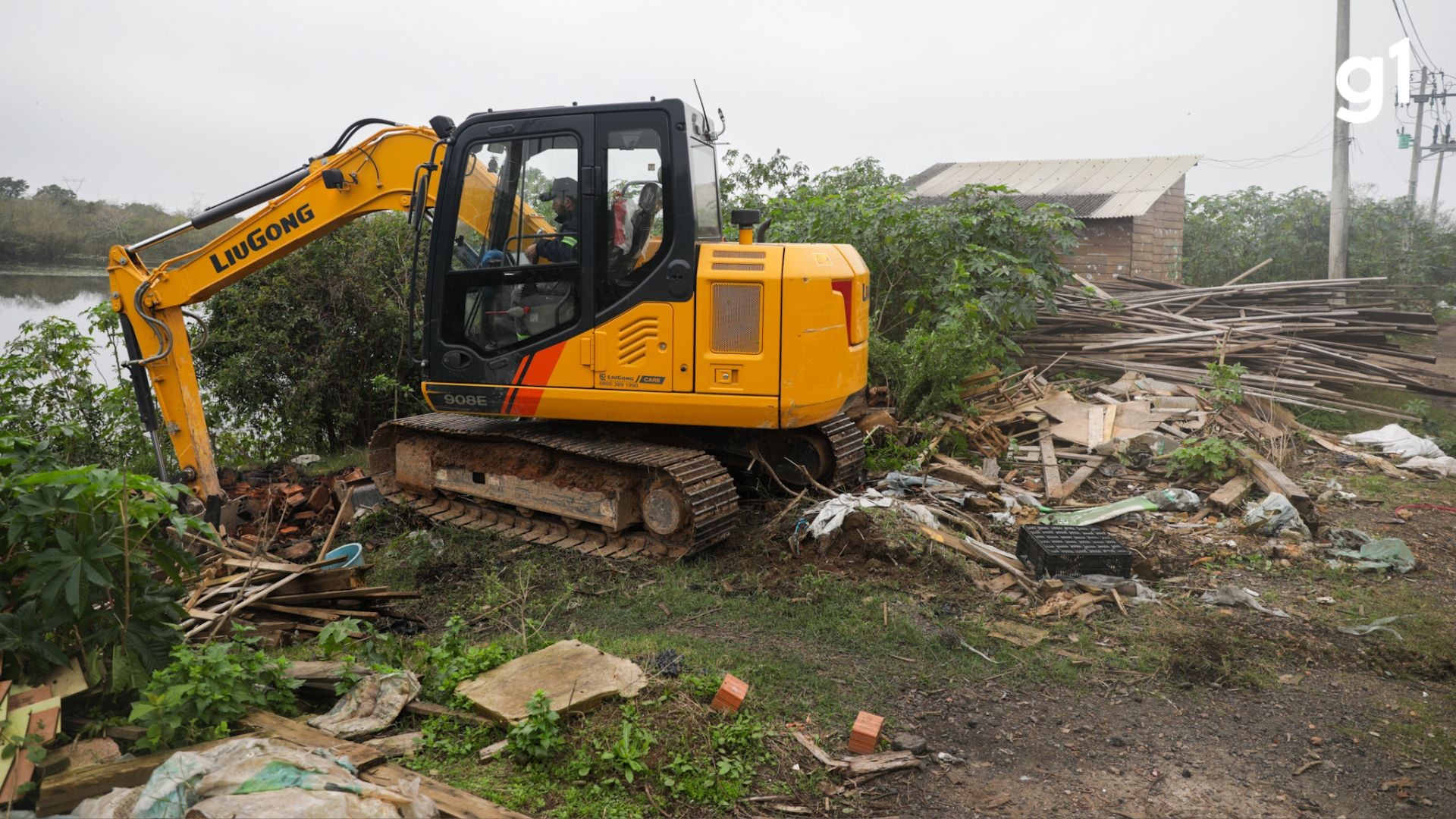
Porto Alegre's City Hall has started demolishing 70 homes in the Vila Dique, located in the city's North Zone, which was severely impacted by the 2024 floods in Rio Grande do Sul. Vila Dique is situated on a dike along the Arroio Teixeira, a crucial part of Porto Alegre's flood protection system. The municipality claims that over its nearly five-decade existence, the dike has been illegally occupied in several areas, compromising its protective capacity. Following the 2022 climate catastrophe, the dike is slated for reconstruction, with work commencing after the removal of residences, vegetation, and the electrical grid. Municipal Secretary of Works and Infrastructure, André Flores, explained that the dike, built over 40 years ago, has compacted and lowered significantly, even experiencing a breach, necessitating its rebuilding. Despite the recent floods, many residents returned to their homes. Of the 70 families residing in Vila Dique, 53 have acquired new homes through the federal government's Assisted Purchase program. Two families are utilizing the "Estadia Solidária" (Solidarity Stay) modality, and 15 others have been temporarily relocated to vacant homes within the community until permanent housing is provided. Residents like Carina de Lima Silva, who has lived there for over 20 years, expressed sadness over losing her home, while Amadeu Machado, 68, voiced concerns about relocating his beloved animals. The city's Animal Cause Cabinet and General Directorate of Inspection confirmed approximately 10 microchipped animals were found with their owners, who are prepared to transport them. The demolition is expected to take about 15 days and is the first of four planned phases. The project's scope also depends on the final design for the region's "polders," which absorb water. The Department of Water and Sewerage (Dmae) has proposed a revised project to state and federal governments, including a large permanent buffer basin and two new Stormwater Pumping Stations (Ebaps), which would shift the dike's primary role to an auxiliary urban drainage structure.
The demolition and reconstruction of Vila Dique highlights the complex interplay between urban development, climate resilience, and the rights of established communities. Porto Alegre's initiative to rebuild the flood defense dike, while necessary for public safety, necessitates the displacement of residents from an area historically prone to flooding. The city's efforts to provide alternative housing through federal programs and temporary relocation demonstrate a commitment to mitigating the immediate social impact. However, the long-term sustainability of such interventions hinges on integrated urban planning that anticipates future climate events and addresses the root causes of informal settlements in vulnerable areas. Future strategies may need to balance infrastructural necessity with community preservation and explore more proactive land-use policies to prevent similar situations from arising in decades to come.
AI-generated to prompt reflection — not editorial opinion, not advice, not a statement of fact. How this works.
