Porto Alegre Residents Flock to Buy Roasted Chicken for Sunday Lunch Tradition
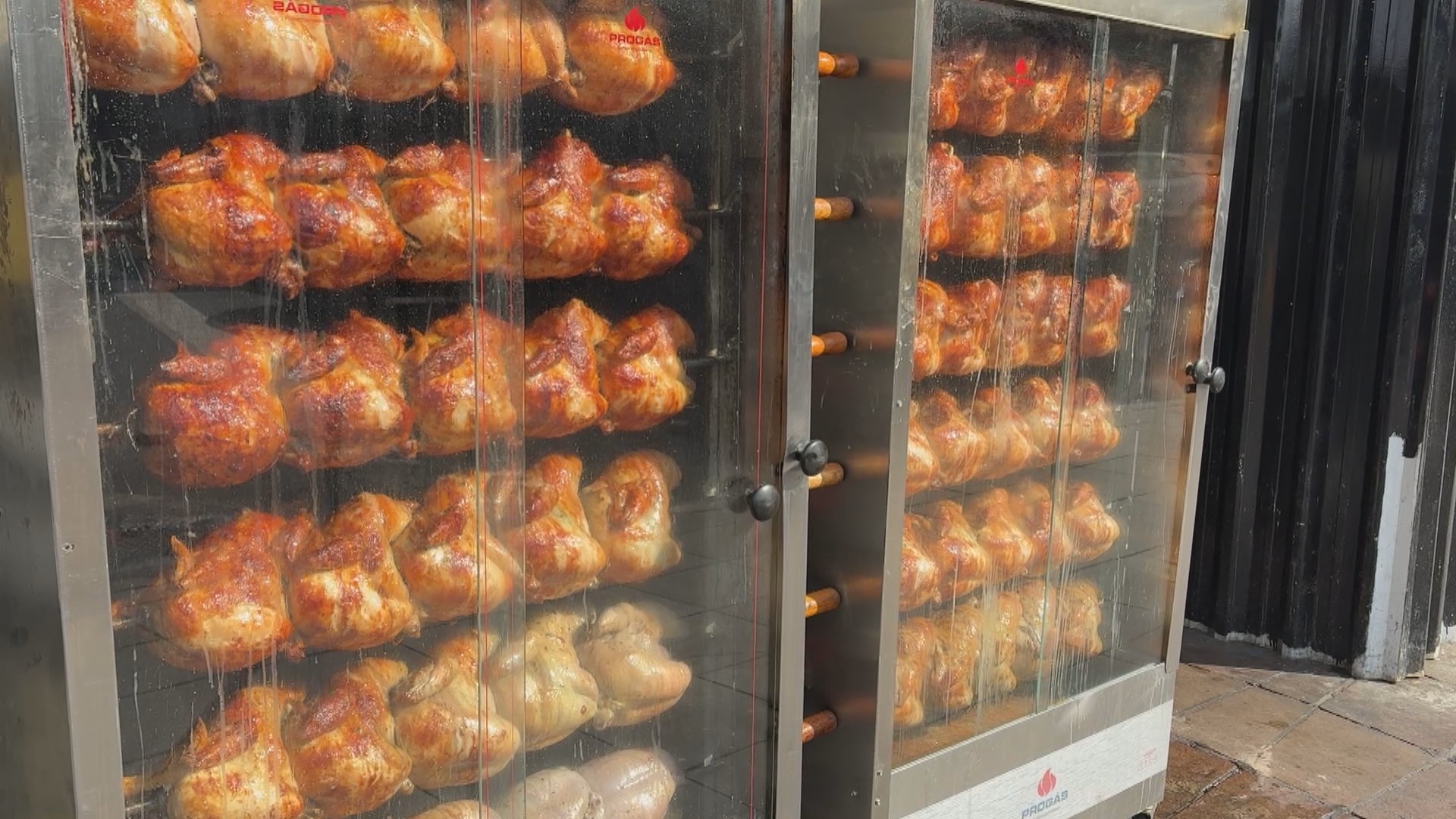
Sunday lunch in Porto Alegre, Brazil, is marked by a strong tradition of purchasing roasted chicken, leading to long queues and pre-orders at local establishments. This culinary custom is driven by the desire for convenience, allowing families to avoid cooking while fostering a sense of togetherness around the table. To meet the high demand, businesses begin their preparation early, with chickens being seasoned by 7 AM and placed in ovens by 9 AM. By 11:30 AM, the rush intensifies with incoming calls, messages, and delivery drivers dispatched for orders. Complementary dishes like fried polenta, farofa, and mayonnaise are also prepared continuously in the kitchens. The preparation involves specific techniques, such as strategically placing the chicken in hotter parts of the oven and adjusting the heat for caramelization and a crispy exterior, as explained by establishment owners. Some consider a 'touch of love' essential for customer satisfaction. The popularity of this tradition is so significant that customers often place orders days in advance, with Wednesday and Thursday seeing the initial surge in reservations. Residents like Raquel Verdum and Bruno Becker cite the break from kitchen duties and the ease of acquiring a ready-made meal as key reasons for participating. The convenience extends to having all components, including mayonnaise and polenta, readily available. For many, like Adriana Corte and Angela Silva, this Sunday chicken tradition evokes cherished memories and provides an opportunity for family bonding and relaxation. Prices for a roasted chicken meal with polenta start around R$50, with more elaborate options reaching up to R$129.90, and some places also offer it by the kilogram.
The widespread appeal of pre-prepared Sunday meals like roasted chicken in Porto Alegre highlights a societal trend prioritizing convenience and shared experiences over traditional home cooking. This phenomenon reflects evolving urban lifestyles, where time constraints and the desire for accessible family rituals intersect. The economic activity generated, from early morning preparations to delivery services, demonstrates the robust market for such convenient, culturally resonant food options. As AI and automation continue to advance, the food service industry may see further innovations in efficiency and personalization, potentially altering how these traditions are maintained and experienced in the coming decade. The enduring demand suggests that while the methods of preparation and delivery may change, the core human need for communal dining and nostalgic comfort will likely persist.
AI-generated to prompt reflection — not editorial opinion, not advice, not a statement of fact. How this works.