Porto Alegre's Guaíba Lake Nears Alert Level Amid Heavy Rains
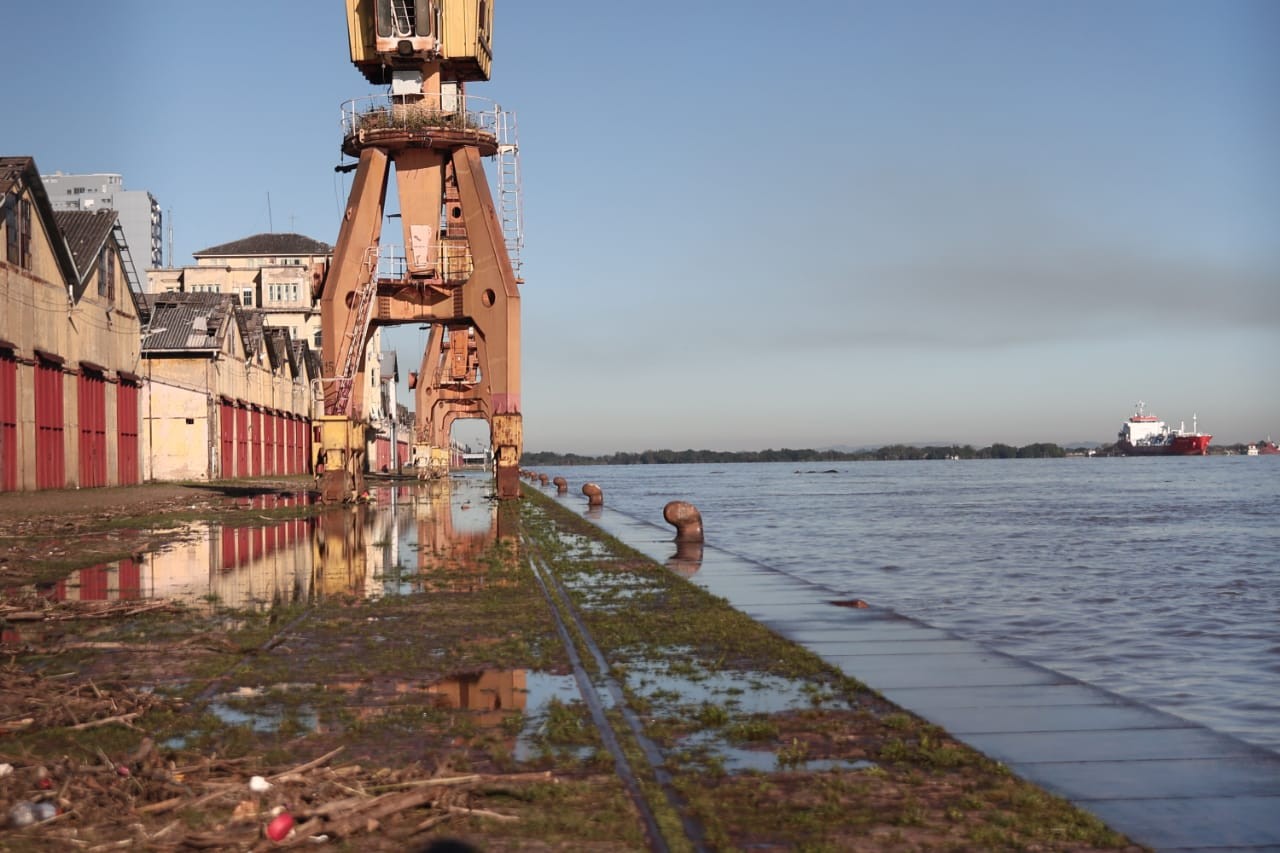
The water level of Guaíba Lake in Porto Alegre, Brazil, is projected to gradually rise and may reach the alert level of 2.50 meters between Friday, May 24, and Saturday, May 25. This forecast comes from the Geological Survey of Brazil (SGB) and the Hydraulic Research Institute (IPH) of UFRGS. The increase is attributed to significant rainfall in the Taquari and Caí river basins, which recently exceeded flood levels. Currently, approximately 1,200 people in Rio Grande do Sul are displaced due to severe storms. The flood level for Guaíba at Cais Mauá is set at 3 meters. Despite expected reductions in rainfall, the accumulated water from upstream rivers will continue to elevate the lake's level in the capital. Porto Alegre's City Hall is actively monitoring the situation, with the municipal Civil Defense inspecting riverside areas. Two shelters have been prepared in the Petrópolis and Restinga neighborhoods for potential use. Governor Eduardo Leite and Mayor Sebastião Melo met on Wednesday, May 22, to coordinate response efforts. State Civil Defense coordinator Colonel Luciano Boeira reiterated that Guaíba could approach flood levels by the weekend. While the Taquari River is receding in Estrela and Lajeado, it is still rising in Taquari. In the Caí Valley, the river level in São Sebastião do Caí is declining, but Montenegro remains under observation. Meanwhile, infrastructure projects, including work on 11 pumping stations and dike reconstruction in areas like Sarandi and Fiergs, are ongoing in Porto Alegre.
This situation highlights the recurrent vulnerability of Porto Alegre to extreme weather events, exacerbated by upstream hydrological dynamics. The projected rise in Guaíba Lake's level, even with anticipated rainfall reduction, underscores the persistent impact of past precipitation on river systems. While infrastructure projects like dike repairs are underway, the frequency of such events suggests a need for a comprehensive, long-term strategy that integrates climate resilience with urban planning. Evaluating the efficacy of current flood control measures against the backdrop of increasingly unpredictable weather patterns will be crucial for safeguarding the population and infrastructure in the coming decade.
AI-generated to prompt reflection — not editorial opinion, not advice, not a statement of fact. How this works.