Porto de Natal Authorized for Live Animal Exports, Sparking Debate
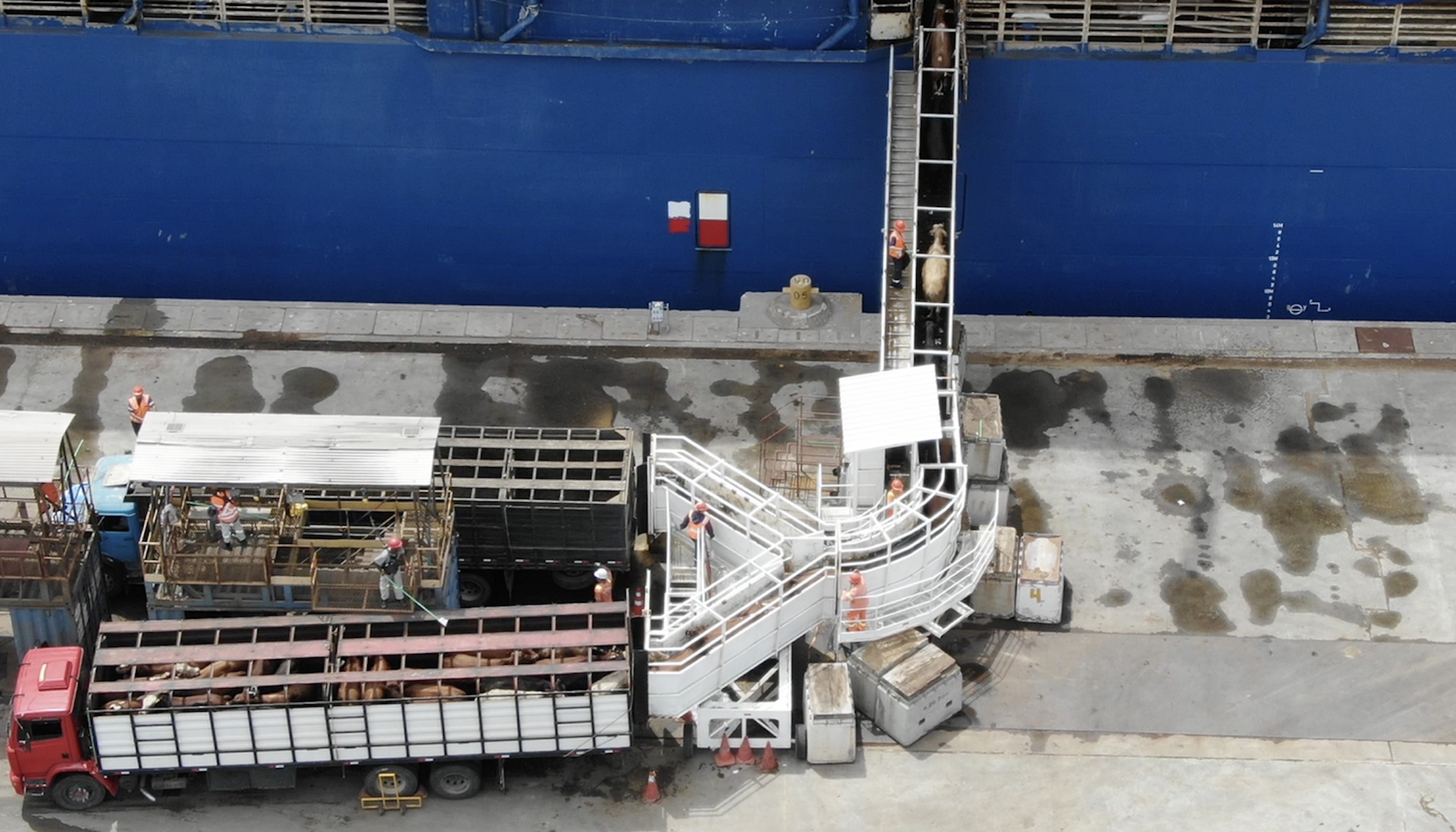
The Port of Natal in Rio Grande do Norte, Brazil, has been authorized to export live animals, marking the state's entry into this market and igniting discussions on animal welfare, economic impacts, and regulatory oversight. The first shipment, planned for early September, will send 3,300 cattle to Lebanon. This authorization makes Natal the only port in Northeast Brazil and the fourth in the country equipped for such operations, joining ports in Pará, São Paulo, and Rio Grande do Sul. The NGO Mercy For Animals (MFA) strongly opposes the initiative, citing that the conditions during weeks-long sea voyages are incompatible with animal welfare, leading to stress, respiratory issues, injuries, and potential deaths. MFA also argues that exporting live animals prevents Brazil from adding value through domestic processing. The state government, Companhia Docas (Codern), and the Federation of Agriculture, Livestock, and Fisheries of RN (Faern) defend the operation, asserting that it will adhere to strict protocols established by the Ministry of Agriculture and Livestock (Mapa). They highlight that Brazil lacks the private frigorifics and sanitary registrations necessary for exporting processed meat, making live animal export a current economic opportunity. Governor Guilherme Saldanha emphasized that the state will closely monitor compliance with all regulations, including those concerning animal housing, feeding, ventilation, and transport. Faern supports the activity, stating that it is regulated and monitored, and that general criticisms do not reflect the reality of a compliant operation. Natal's geographical location is also seen as an advantage for reaching Middle Eastern and North African markets more quickly.
The authorization of the Port of Natal for live animal exports introduces a complex interplay between economic development and animal welfare concerns. While proponents emphasize adherence to regulatory protocols and potential economic benefits, including job creation and leveraging geographical advantages, critics highlight the inherent challenges of long-distance animal transport and the missed opportunity for domestic value addition. The situation underscores a systemic tension between expanding export markets and ensuring ethical treatment of livestock, particularly as global demand for animal protein grows. Future considerations may involve technological advancements in animal transport, evolving international welfare standards, and the potential for Brazil to develop its domestic meat processing capacity to capture greater economic value, thereby addressing both economic and ethical dimensions of the trade.
AI-generated to prompt reflection — not editorial opinion, not advice, not a statement of fact. How this works.