Porto Maravilha Sees 3,400 New Apartments, Property Values Soar, Residents Face Challenges
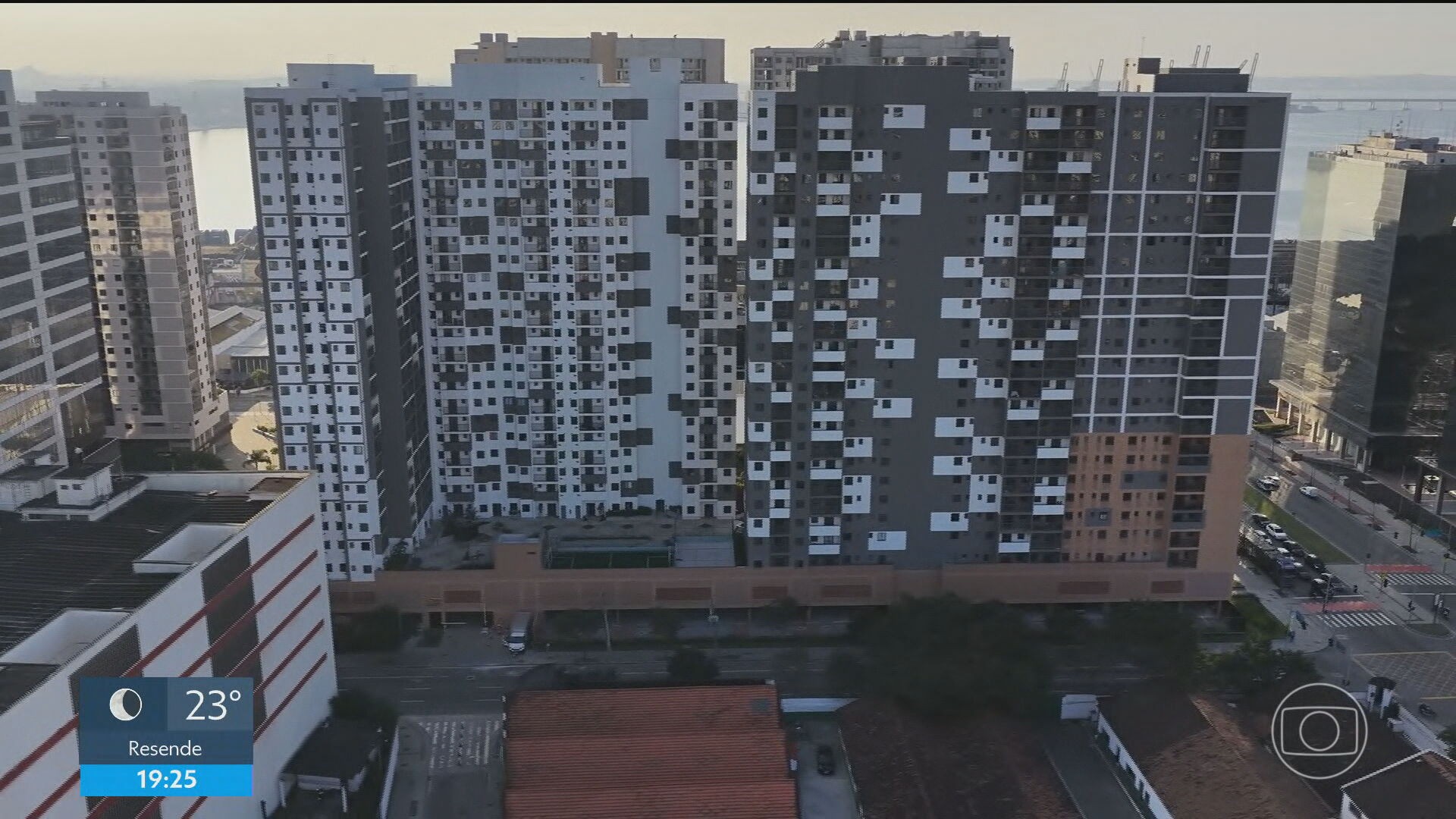
The Porto Maravilha region in Rio de Janeiro has experienced significant residential expansion over the past five years, with 30 development permits issued for over 12,000 housing units, 3,385 of which have already been delivered, primarily in the Santo Cristo neighborhood. This boom has driven a substantial 54% increase in property values over five years, far exceeding the city's average. However, long-term and new residents alike report that essential services have not kept pace with the growing population.
Residents cite a lack of supermarkets, schools, and healthcare facilities, alongside concerns about safety and the rising cost of living. Maquiadora Ariana Bassi, an early resident, highlighted the difficulty in accessing basic necessities, often requiring travel to other neighborhoods for groceries. The transformation of the Port Zone, initiated by the demolition of the Elevado da Perimetral and boosted by investments for major sporting events, has revitalized historical areas and introduced new infrastructure like the VLT. Despite urban improvements, a sense of security remains a concern, with some residents noting insufficient police presence and a reliance on private security. Data indicates a 6% increase in thefts and significant rises in cell phone and vehicle thefts in the area this year compared to last. The surge in property values has also led to increased rental costs, with one-bedroom apartments fetching prices comparable to Rio's South Zone.
The Porto Maravilha revitalization project exemplifies a common urban development dynamic: infrastructure and housing investment outpaces essential service provision and public safety enhancements. This imbalance creates a 'growth paradox' where property value appreciation, while a positive indicator for developers and some investors, can inadvertently displace existing communities and strain resources for new residents. The reliance on private security, as noted by residents, suggests a potential gap in public service provision that market forces alone may not adequately address. Future urban planning in such areas should prioritize integrated development, ensuring that the expansion of housing stock is matched by commensurate investments in social infrastructure, public services, and community safety to foster sustainable and equitable growth.
AI-generated to prompt reflection — not editorial opinion, not advice, not a statement of fact. How this works.