Porto Velho Condo Rises on Site of Former Cemetery
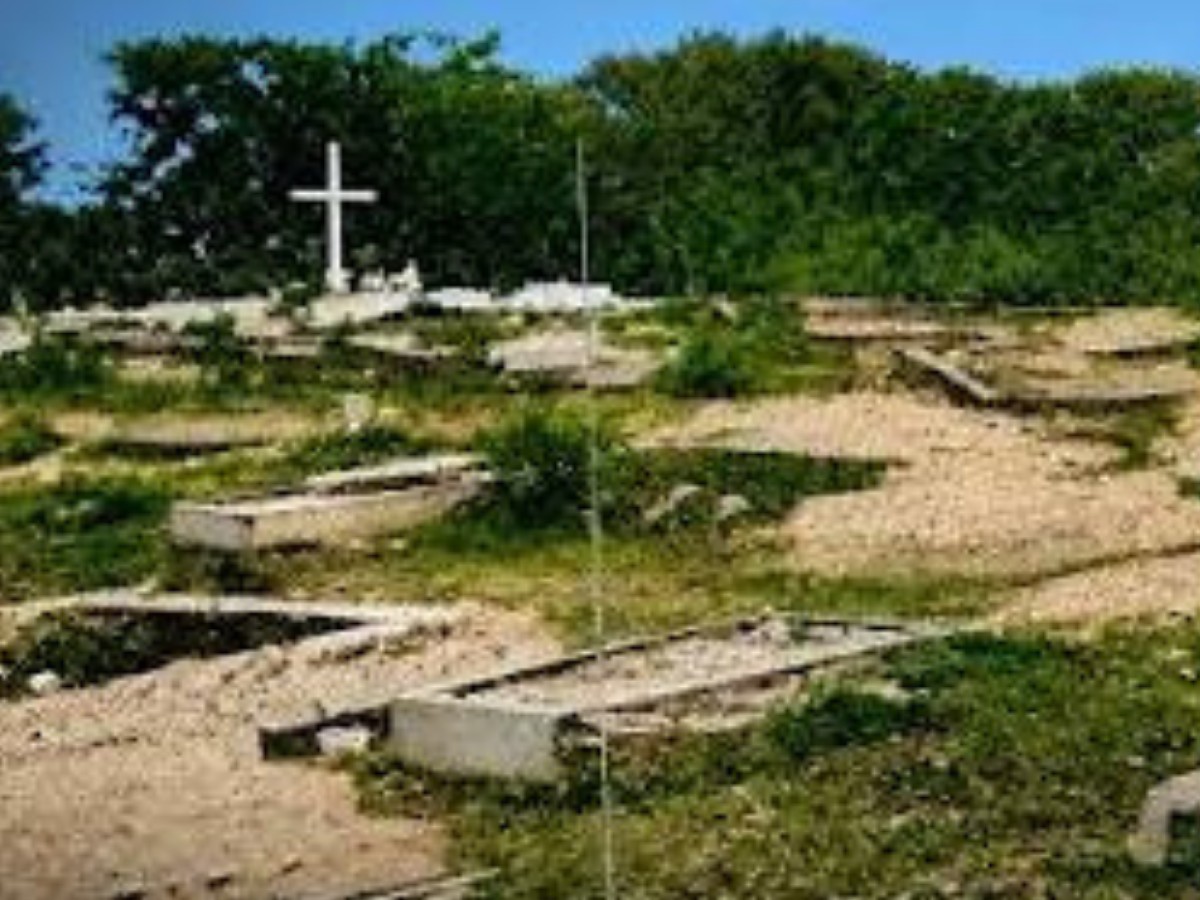
A residential condominium in the southern zone of Porto Velho, Brazil, now occupies the site of the former Cristo Redentor public cemetery. Established in 1967 by the Porto Velho City Hall to replace the overcrowded Cemitério dos Inocentes, Cristo Redentor began receiving burials in 1970. However, the cemetery faced significant challenges from its inception due to its location, which frequently flooded during the rainy season because of a high water table. These issues raised sanitary concerns regarding soil contamination and nearby shallow wells, hindering burials and maintenance efforts.
Despite attempts at adaptation, the flooding persisted, leading the City Hall to officially deactivate Cristo Redentor for new interments in January 1975 via Decree No. 641. This decree also halted burials at Cemitério dos Inocentes, citing capacity issues for the latter and the high, uncertain cost of drainage solutions for Cristo Redentor. A new cemetery was opened elsewhere, and the Cristo Redentor site gradually lost its function amidst Porto Velho's urban expansion.
In 1982, seven years after its deactivation, the remains of approximately 690 individuals were exhumed and transferred to the Santo Antônio Cemetery in an operation involving the City Hall and companies linked to the Samuel Hydroelectric Power Plant. The former cemetery land was then transformed into a planned residential complex, primarily intended for Eletronorte employees. This area has since developed into a valued residential zone in southern Porto Velho, characterized by urban growth and real estate development.
This narrative highlights a common urban development pattern where land use evolves over time, often involving the relocation of sensitive sites like cemeteries to accommodate growth. The transition from a public cemetery, plagued by environmental and logistical challenges, to a private residential condominium reflects shifting societal priorities and the economic forces driving urban expansion. Future urban planning may benefit from more robust environmental impact assessments and community consultation processes to mitigate potential conflicts and ensure sensitive historical sites are managed with appropriate long-term considerations, particularly in areas prone to environmental instability. The process also underscores the importance of transparent land management and the respectful handling of human remains during redevelopment.
AI-generated to prompt reflection — not editorial opinion, not advice, not a statement of fact. How this works.