Porto Velho Mayor Approves Law Allowing Bible Reading in Schools
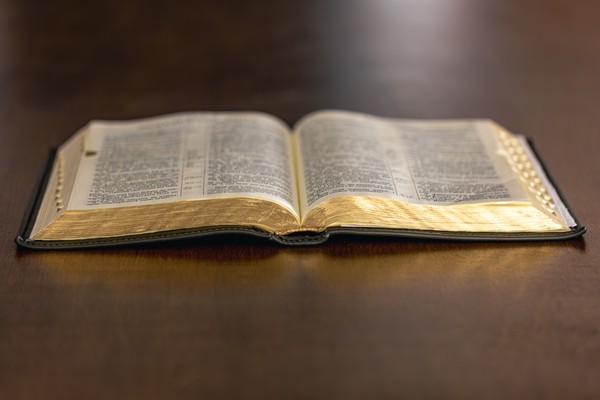
The mayor of Porto Velho, Léo Moraes, has signed into law a measure permitting the reading of the Holy Bible as supplementary material in both public and private schools within the municipality. This new legislation, published in the Official Gazette and now in effect, designates the Bible for use solely for cultural, historical, geographical, literary, and archaeological purposes. The law explicitly prohibits its use for religious proselytizing or attempts to convert students to specific beliefs. Participation in Bible reading activities will be optional and contingent upon each school's pedagogical planning, ensuring no student is compelled to engage. The measure upholds the constitutional right to religious freedom, mandating respect for freedom of conscience, belief, and the diverse religious, cultural, and philosophical backgrounds of students and their families. If a school chooses to implement Bible reading, it will not be integrated into the mandatory curriculum, used for student assessments, or serve as a substitute for existing educational content.
This legislative development in Porto Velho introduces the Bible into the school environment under specific cultural and historical parameters, aiming to avoid religious imposition. The law's framework attempts to balance the introduction of religious texts for academic exploration with the constitutional guarantee of religious freedom and diversity. Future implications may involve how educational institutions interpret and implement these guidelines, potentially leading to discussions about the demarcation between secular education and the integration of religious materials. The long-term impact will likely depend on the effectiveness of the safeguards against proselytization and the broader societal discourse on the role of religion in public education.
AI-generated to prompt reflection — not editorial opinion, not advice, not a statement of fact. How this works.