Portraits Found in Mass Grave of Soldiers and Civilians in Dong Nai
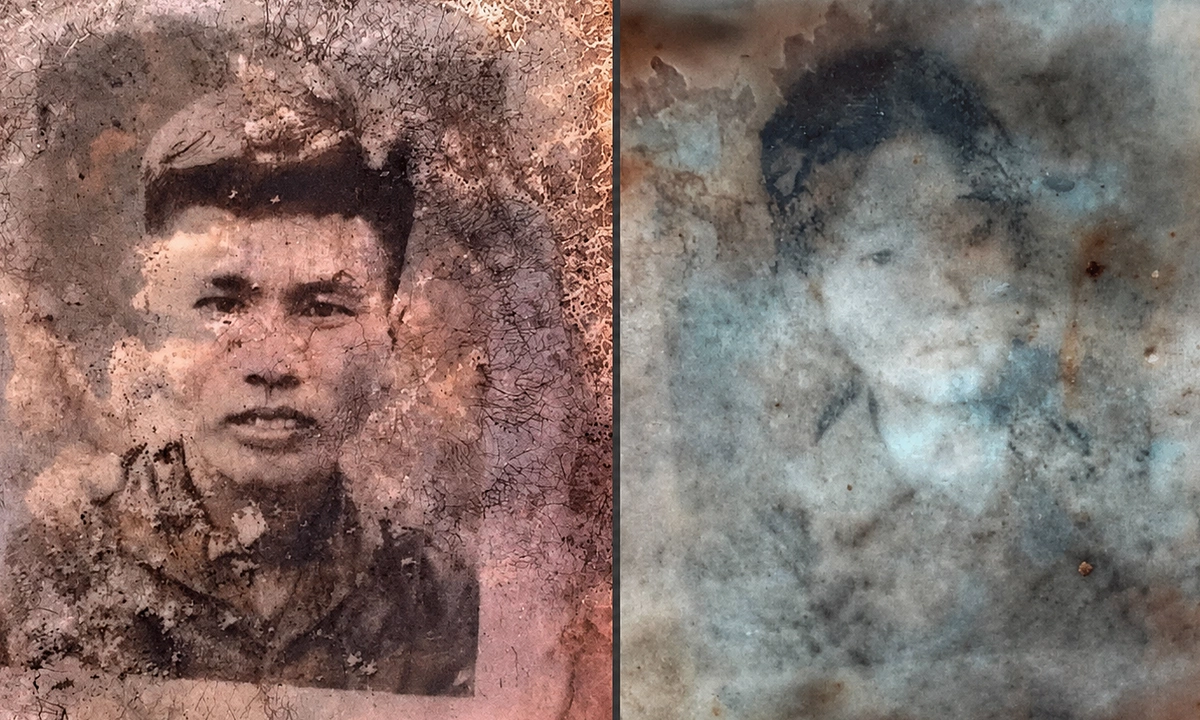
Numerous portrait photographs of soldiers, young women, and group pictures have been discovered at the burial site containing the remains of 26 fallen soldiers. The discovery was made in the area of Hill 74 in Minh Duc commune, Dong Nai province. The photographs offer a poignant glimpse into the lives of those who perished during the conflict. The presence of both military personnel and civilian women in the images suggests a complex history at the site. This finding adds a personal dimension to the collective memory of the war. The identification of these individuals through their photographs could be crucial for historical research and for families seeking closure. The context of the discovery at a mass grave underscores the scale of loss and the enduring impact of the war. Further investigation may reveal more about the circumstances surrounding their deaths and the significance of this specific location. The recovery of these personal effects highlights the importance of preserving historical artifacts that connect us to the past. The site at Hill 74 in Minh Duc commune is now a focal point for remembrance and historical inquiry.
The discovery of personal photographs alongside the remains of fallen soldiers and civilians at a mass grave in Dong Nai offers a tangible connection to the human cost of past conflicts. This finding underscores the importance of meticulous historical record-keeping and the potential for personal artifacts to illuminate broader historical narratives. From a systemic perspective, such discoveries highlight the ongoing need for robust archaeological and archival practices to ensure that the sacrifices of individuals are not forgotten. In the context of future historical analysis, these images can serve as critical primary sources, providing context and personalizing the experiences of those affected by war, thereby enriching our understanding beyond casualty figures and strategic accounts. The preservation and study of these items can contribute to reconciliation efforts and a more complete understanding of national history.
AI-generated to prompt reflection — not editorial opinion, not advice, not a statement of fact. How this works.