Portugal's Construction Sector Faces Labor Shortages Amidst Migrant Policy Changes
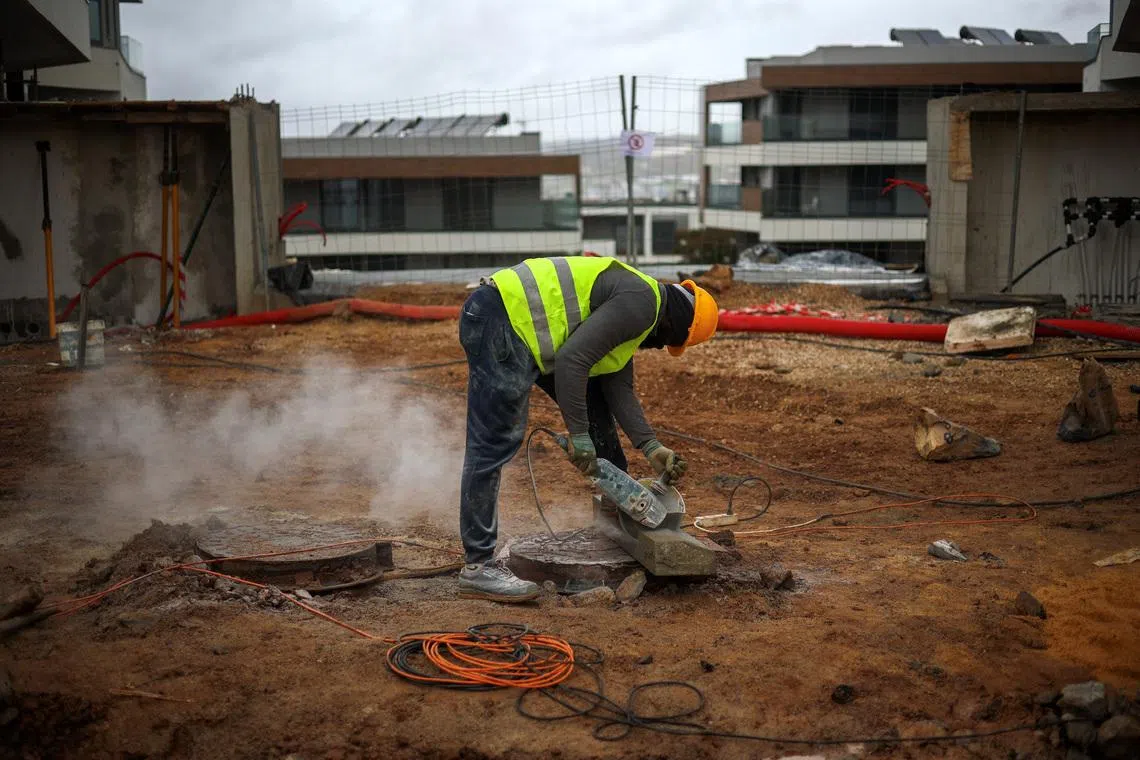
Portugal's construction industry is experiencing significant labor shortages, exacerbated by recent changes in migrant policies. Jose Simao, an Angolan bricklayer who arrived in Portugal in 2022, represents the type of immigrant worker crucial to the sector. His presence, and that of many others, was intended to address the country's understaffed construction workforce. However, new curbs on immigration are now impacting the ability of construction firms to recruit the necessary labor. These firms are vital in the effort to resolve Portugal's ongoing housing crisis. The current situation highlights a tension between national immigration policies and the urgent need for skilled workers in a key economic sector. The construction industry's capacity to contribute to housing solutions is directly threatened by these labor constraints.
Portugal's recent immigration restrictions present a clear policy dilemma, potentially hindering the construction sector's capacity to address the nation's housing deficit. The reliance on migrant labor, as exemplified by workers like Jose Simao, underscores a structural issue within the domestic workforce that the construction industry has leveraged to meet demand. The current policy shift may inadvertently create a bottleneck, where the demand for housing construction outstrips the available labor pool, potentially driving up costs and delaying projects. Future policy considerations could explore more targeted labor import schemes or domestic workforce development initiatives to balance immigration control with economic necessity, particularly in sectors critical to public welfare and infrastructure development.
AI-generated to prompt reflection — not editorial opinion, not advice, not a statement of fact. How this works.