Portugal's Football Economy Faces Major Post-Ronaldo Void
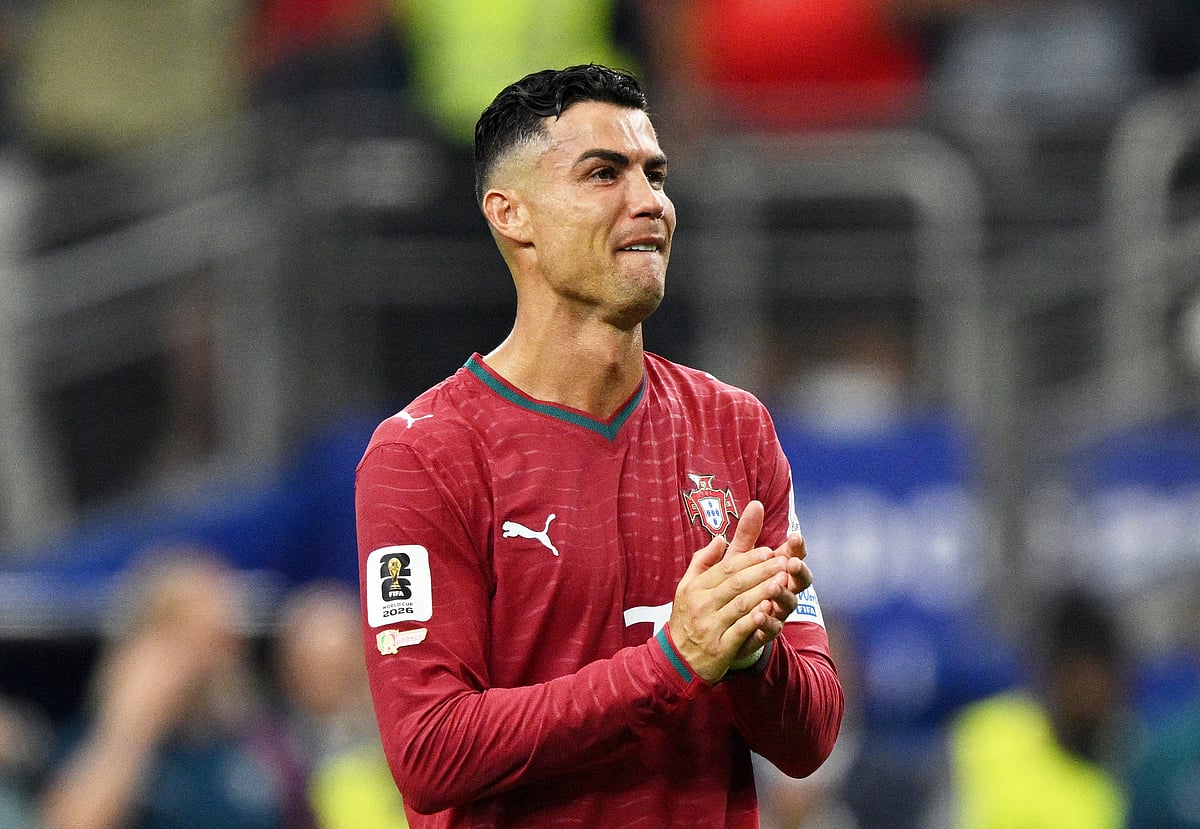
Portugal's football landscape is grappling with the departure of Cristiano Ronaldo from the international stage, a transition that extends far beyond the pitch. While Ronaldo's illustrious 20-year career, marked by 233 international matches and 146 goals, has concluded, the economic and commercial implications for Portuguese football are profound. Experts like Daniel Sa, executive director of the Portuguese Institute of Marketing Administration, emphasize that Ronaldo's global appeal and massive social media following, exceeding 1 billion on platforms like YouTube, have been the primary draw for international broadcasters and sponsors. These entities have historically leveraged Ronaldo's individual brand, rather than the collective team, to secure lucrative deals and generate substantial revenue for the Portuguese Football Federation (FPF). Sa likens Ronaldo's departure to falling from a fast-moving escalator, predicting an immediate and significant loss of global attention and commercial interest. Although Portugal boasts emerging talents like Joao Neves and Vitinha who can manage on-field performance, the financial vacuum left by Ronaldo's singular commercial power is deemed irreplaceable. The core issue lies in the fact that Ronaldo's vast fanbase is loyal to him personally, not necessarily to the Portuguese team, suggesting that many of these followers may disengage from Portuguese football altogether following his exit.
The departure of a singular, globally recognized athlete like Cristiano Ronaldo presents a critical case study in the intersection of individual brand power and national sporting organizations. While his presence undeniably inflated Portugal's commercial appeal and revenue streams for two decades, this reliance highlights a potential systemic vulnerability. The analysis suggests that the FPF's commercial strategy may have over-indexed on a single personality, potentially neglecting the development of a broader, more resilient brand identity for Portuguese football itself. Looking ahead, the challenge for the FPF will be to cultivate new avenues of global engagement and sponsorship that are less dependent on individual stars, fostering a sustainable economic model that can weather the inevitable transitions in athletic careers. This requires a strategic shift towards showcasing the collective strengths and heritage of Portuguese football, appealing to a wider audience beyond the orbit of any single player.
AI-generated to prompt reflection — not editorial opinion, not advice, not a statement of fact. How this works.