Post-C-Section Abdominal Changes: Causes and Solutions
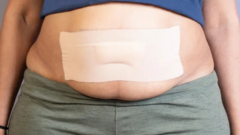
Experiencing abdominal protrusion after a C-section delivery is not always solely due to the surgery itself. This article explores the underlying reasons for such changes and provides potential solutions. It emphasizes that while the surgical incision is a factor, other physiological processes can contribute to the altered appearance of the abdomen. Understanding these factors is crucial for women seeking to regain their pre-pregnancy body shape. The piece aims to offer practical advice and insights for managing post-cesarean abdominal concerns. It highlights the importance of addressing these issues comprehensively, considering both the immediate aftermath of surgery and longer-term recovery. The goal is to empower individuals with knowledge about their bodies and available options.
The physiological changes following a Cesarean section, including abdominal protrusion, are complex and multifactorial. While surgical intervention is a direct cause, it interacts with hormonal shifts, tissue healing processes, and potential changes in muscle tone and connective tissue. Addressing these concerns requires a holistic approach that considers the body's natural recovery trajectory and may involve tailored physical therapy, nutritional guidance, and patient education. Understanding the interplay between surgical impact and individual biological responses is key to managing expectations and promoting effective recovery, rather than solely focusing on the surgical scar.
AI-generated to prompt reflection — not editorial opinion, not advice, not a statement of fact. How this works.