Post-C-Section Abdominal Changes: Causes and Solutions
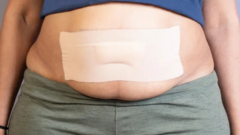
It is a common concern for women to experience abdominal protrusion after a Cesarean section (C-section). This bulging is not always solely due to the surgery itself. Several factors can contribute to the appearance of the abdomen post-C-section. Understanding these causes is the first step toward addressing the issue.
Potential reasons for a protruding abdomen include the natural healing process, which can involve swelling and fluid retention. Additionally, changes in muscle strength and posture following the surgery can affect how the abdomen looks. Lifestyle factors such as diet and exercise also play a significant role in recovery and body shape.
Fortunately, there are measures that can be taken to help the abdomen return to its pre-pregnancy state. These often involve a combination of targeted exercises to strengthen core muscles, dietary adjustments to support healing and reduce inflammation, and patience with the body's recovery timeline. Consulting with healthcare professionals, such as doctors or physical therapists, can provide personalized guidance and ensure safe and effective recovery strategies.
The physical changes following a C-section highlight the interplay between surgical intervention and the body's natural recovery mechanisms. While the procedure is medically necessary in many cases, the subsequent abdominal appearance underscores the importance of comprehensive postpartum care that extends beyond immediate surgical recovery. This includes focusing on rehabilitation of the abdominal wall muscles, addressing potential fluid retention, and promoting healthy lifestyle habits. Future healthcare models could integrate more proactive, long-term physical therapy and nutritional support into standard C-section protocols to mitigate common postpartum body image concerns and improve overall maternal well-being.
AI-generated to prompt reflection — not editorial opinion, not advice, not a statement of fact. How this works.