Post-Coup Governance: Successes in Stability, Limitations in Transformation
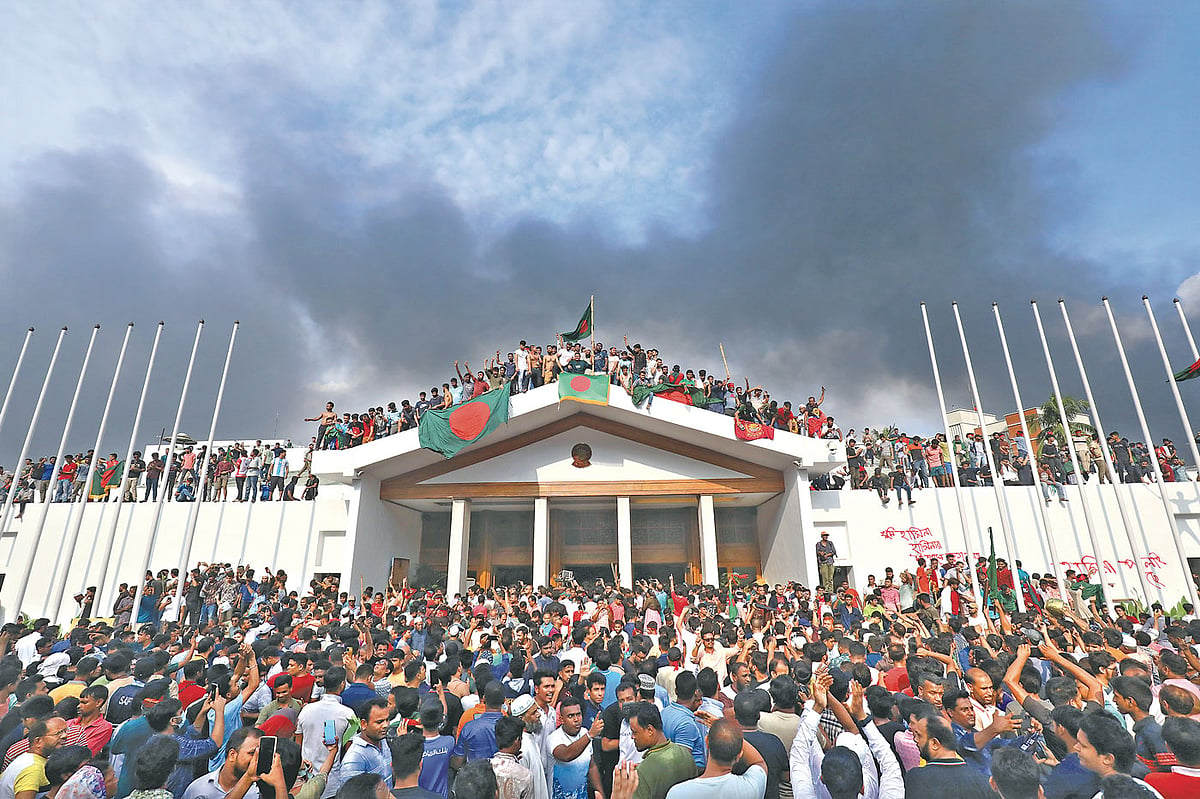
The government in question was established in the aftermath of a popular uprising, suggesting that its performance should be evaluated against the realities of governing a state post-coup. The primary focus of this administration was on achieving stability, a critical objective following a period of significant political upheaval. This emphasis on stability likely involved consolidating power, restoring order, and ensuring the basic functioning of state institutions. However, the article also points to limitations in its capacity for broader transformation. While successfully navigating the immediate post-coup environment, the government may have struggled to implement deeper, systemic changes or address underlying societal issues. The evaluation of such a government, therefore, requires a nuanced approach that acknowledges both its achievements in maintaining order and its shortcomings in driving fundamental societal or political reform. The specific context of a post-coup scenario presents unique challenges and constraints that shape the possibilities for governance and development.
Evaluating a post-uprising government necessitates a dual lens, acknowledging the inherent challenges of restoring order while simultaneously pursuing transformative agendas. Stability, often a prerequisite for any further progress, may consume resources and political capital, potentially at the expense of deeper structural reforms. The success of such administrations hinges on balancing immediate security needs with long-term societal development goals. Future governance models in similar contexts might benefit from exploring mechanisms that allow for both rapid stabilization and the concurrent initiation of inclusive, transformative processes, thereby avoiding the trade-offs that can limit long-term progress.
AI-generated to prompt reflection — not editorial opinion, not advice, not a statement of fact. How this works.
