Post-COVID Expertise Centers in Netherlands to Remain Open for Another Year
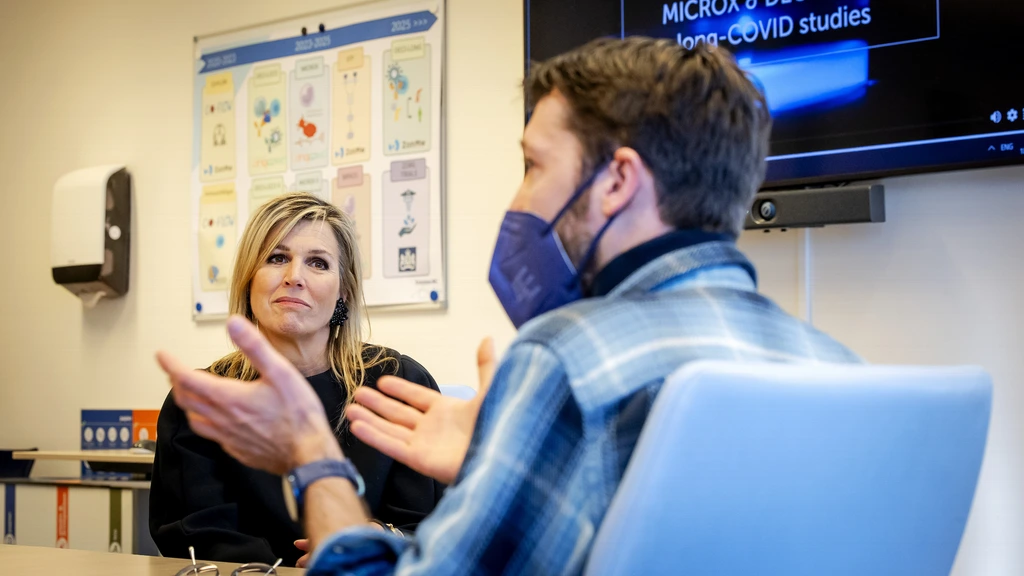
Specialized expertise centers in the Netherlands dedicated to researching and treating post-COVID patients will continue operating for at least another year, according to a letter from Health Minister Sophie Hermans. Approximately 8.5 million euros remain from the initial 27 million euro budget allocated for these centers, which will fund their extended operation into the following year. It is estimated that 90,000 individuals in the Netherlands suffer from the long-term effects of a coronavirus infection, with around 15,000 having been declared disabled in recent years. While there is currently no known cure for post-COVID, commonly referred to as 'long COVID,' prevalent symptoms include extreme fatigue, cognitive difficulties, and respiratory issues. These academic hospital centers, established 18 months ago in six cities—Amsterdam, Rotterdam, Utrecht, Maastricht, Leiden, and Groningen—have examined 1,550 adults and 350 children with persistent post-infection complaints. The government has requested proposals from involved hospitals and health insurers for sustaining post-COVID care beyond 2027, potentially through the consolidation of existing centers into a larger entity. This decision aligns with the Health Council's May recommendation to recognize post-COVID as a significant health concern requiring dedicated funding, a priority previously not emphasized by the former Schoof cabinet.
The extension of post-COVID expertise centers highlights a growing recognition of long COVID as a persistent public health challenge. The remaining budget suggests that initial funding was substantial, yet the need for continued operation indicates that the scope and complexity of the condition may have exceeded initial projections. The government's request for proposals on long-term care sustainability, including potential consolidation, points towards a strategic effort to optimize resource allocation and ensure continuity of care. This approach reflects a systemic response to an emergent health issue, aiming to balance immediate patient needs with the development of sustainable healthcare models. The future trajectory will likely involve further research into effective treatments and a clearer understanding of the long-term societal and economic impacts of post-COVID conditions.
AI-generated to prompt reflection — not editorial opinion, not advice, not a statement of fact. How this works.