Post-Jantar Mantar Protest: CJP Chief Accuses Home Minister Amit Shah
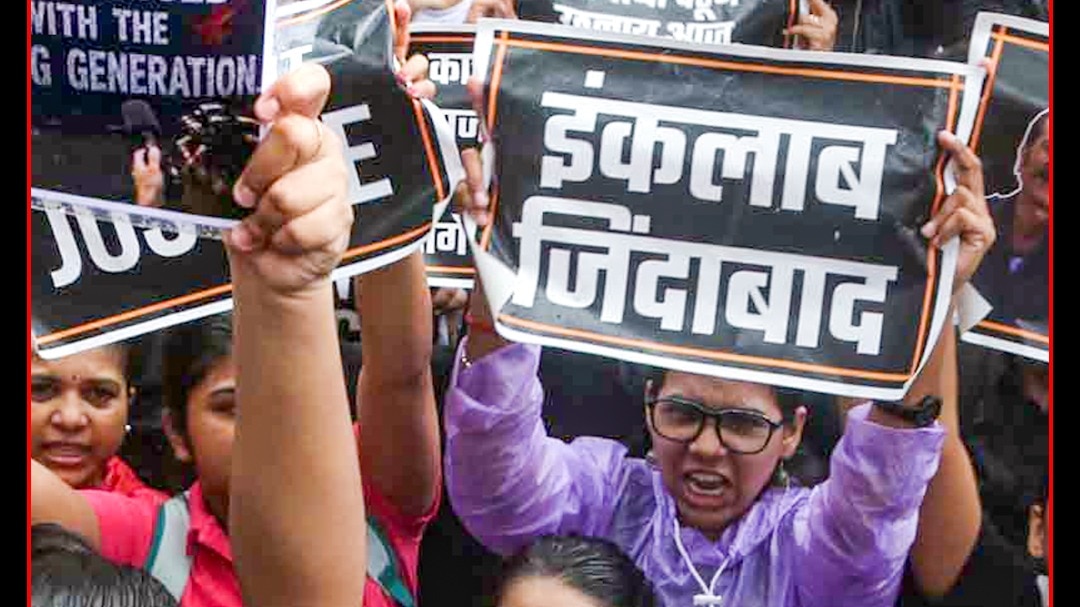
Following the conclusion of the protest at Jantar Mantar concerning the NEET paper leak, the Chief of the Citizens for Justice and Peace (CJP), Abhijit Dipke, has leveled serious accusations against the central government, Home Minister Amit Shah, and the Delhi Police. Dipke raised questions regarding the student protest, democratic institutions, and the actions taken by the police. He also expressed support for farmers' movements. The involved parties have not yet issued an immediate response to these allegations. The protest at Jantar Mantar had gathered attention for its focus on the alleged irregularities in the NEET examination. Dipke's statements suggest a broader critique of governance and law enforcement mechanisms. The CJP's involvement indicates a focus on legal and rights-based advocacy. The lack of immediate response from the accused parties leaves the allegations unaddressed for the moment.
The allegations by the CJP chief following the NEET paper leak protest highlight potential tensions between civil society advocacy groups and governmental bodies. Such events underscore the importance of transparent investigation processes and the need for accountability in educational and administrative sectors. The framing of the protest and subsequent accusations invites scrutiny of institutional responses to public grievances and the role of law enforcement in managing dissent. Future governance may benefit from proactive measures to address systemic issues that fuel such disputes, fostering greater public trust and ensuring the integrity of examination processes.
AI-generated to prompt reflection — not editorial opinion, not advice, not a statement of fact. How this works.