Post-Khamenei Iran: What Has Changed and What Has Remained in the Islamic Republic?
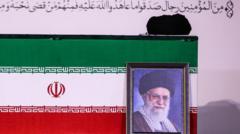
The death of Ali Khamenei was widely anticipated by observers as a pivotal moment for the Islamic Republic of Iran. Many expected this event to either lead to the regime's collapse or at least usher in a new phase for the country. However, several months after his passing, neither the predicted scenario of collapse has materialized, nor can it be definitively stated that Iran's political structure has remained entirely unchanged.
While the system has not fallen, the political landscape appears to be in a state of flux. The transition of power, a critical juncture for any authoritarian regime, has presented both challenges and opportunities for the ruling establishment. The initial shockwaves have subsided, but the long-term implications of this leadership change are still unfolding.
The succession following Ali Khamenei's death represents a critical test of the Islamic Republic's institutional resilience and adaptability. While the immediate collapse predicted by some has not occurred, the absence of a single, dominant figurehead may introduce new dynamics into the power structures. Future governance will likely depend on the ability of various factions within the regime to consolidate authority and manage internal succession politics. The period ahead will reveal whether the system's inherent mechanisms for control can adapt to a post-Khamenei era, or if underlying structural pressures will necessitate more significant reforms or lead to increased instability.
AI-generated to prompt reflection — not editorial opinion, not advice, not a statement of fact. How this works.