Post-Khamenei Iran: What Has Changed and What Has Remained the Same?
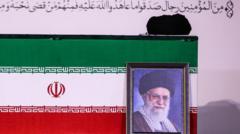
The death of Ali Khamenei was widely seen by observers as a pivotal moment in the history of the Islamic Republic of Iran. It was an event that many anticipated would either lead to the collapse of the regime or at least usher in a new phase for the country. However, several months after his passing, neither the predicted scenario of systemic collapse has materialized, nor can it be said that Iran's political structure has remained entirely unchanged.
While the fundamental political system persists, the transition following Khamenei's death has introduced subtle shifts. The Islamic Republic has navigated this period without succumbing to the anticipated downfall, yet it has also not emerged entirely static. The coming months and years will likely reveal the extent to which these initial changes solidify or evolve into more significant transformations within Iran's governance and societal landscape.
The transition of power following the death of a long-standing leader like Ali Khamenei presents a complex challenge for any state, particularly one with a centralized political structure. The observed outcome, where neither immediate collapse nor complete stasis has occurred, suggests a degree of resilience and adaptability within the existing system. This period highlights the interplay between established institutions and the pressures for change, both internal and external. Future developments will likely depend on the leadership's ability to manage succession dynamics, address underlying socio-economic grievances, and navigate geopolitical complexities, all while maintaining control in an era increasingly shaped by information flow and evolving public expectations.
AI-generated to prompt reflection — not editorial opinion, not advice, not a statement of fact. How this works.