Post-Khamenei Iran: What Has Changed and What Remains?
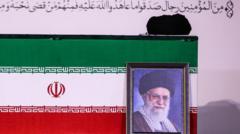
The death of Ali Khamenei was widely anticipated by observers to be a pivotal moment in the history of the Islamic Republic of Iran. This event was expected to either lead to the system's collapse or usher in a new phase. However, several months after his passing, neither the predicted scenario of collapse has materialized, nor can it be said that Iran's political structure has remained unchanged. The transition of power, while not leading to the system's downfall, has introduced new dynamics and adjustments within the political landscape. The Islamic Republic has navigated this significant leadership change, demonstrating a degree of resilience and adaptability. The specific alterations and continuities within the political, social, and economic spheres are subjects of ongoing observation and analysis.
The succession following Ali Khamenei's death presents a complex case study in institutional continuity versus adaptive change within authoritarian regimes. While the immediate collapse feared by some has not occurred, the absence of a singular, unchallenged leader introduces potential fissures and necessitates new power-sharing or consolidation mechanisms. The Islamic Republic's ability to manage this transition without immediate systemic failure suggests a degree of institutional entrenchment, yet the long-term implications for political stability, economic policy, and international relations remain to be seen. Future developments will likely hinge on the evolving balance of power among various factions and the regime's capacity to address underlying societal pressures.
AI-generated to prompt reflection — not editorial opinion, not advice, not a statement of fact. How this works.