PostNL Reduces Mail Delivery Frequency, Citing Declining Volumes and Costs
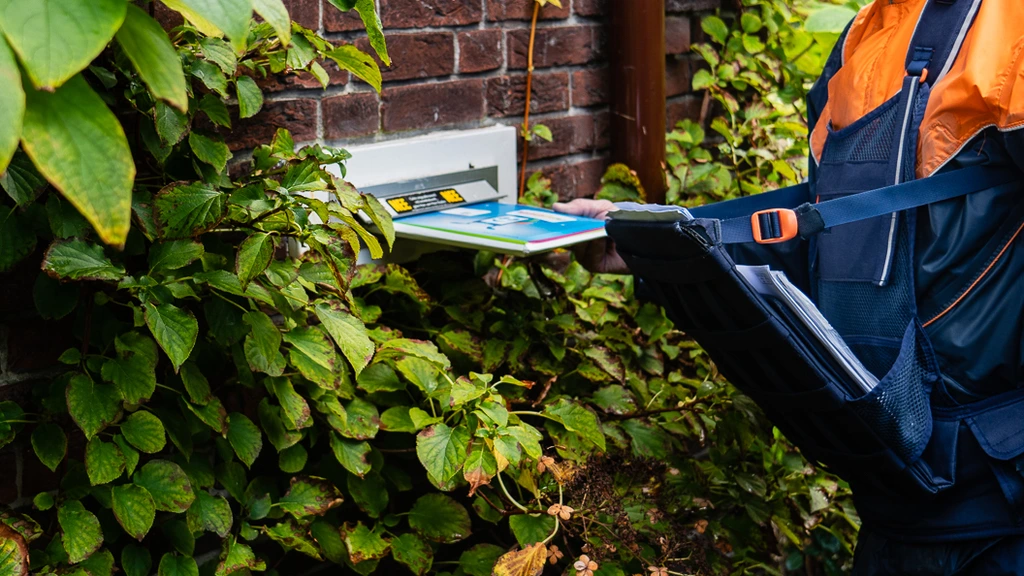
PostNL is significantly reducing its mail delivery frequency, moving from daily to every-other-day service starting next week. This change means mail carriers will visit homes and businesses only three times a week, down from the traditional five. Furthermore, the company plans to adjust its services again in a year, when new regulations will allow a three-day delivery window for letters and cards. This will likely lead to mail delivery being reduced to just twice a week, with PostNL's director of mail, Maurice Unck, acknowledging that one delivery per week is a possibility in the future. Unck explained that declining mail volumes make the current delivery model increasingly costly, particularly noting that Saturday deliveries often involve carriers with nearly empty bags. Consequently, PostNL intends to cease Saturday deliveries within the next year. The Autoriteit Consument & Markt (ACM) has expressed strong criticism of these service reductions, having previously opposed PostNL's acquisition of its sole competitor, Sandd. The ACM has also fined PostNL for late deliveries and warned that extended delivery times could mean mail taking up to nine days to arrive. Despite these concerns, PostNL maintains that adhering to the previous one-day delivery standard is no longer financially viable, reporting near-zero profit from letter and card mail last year. The company's request for subsidies to maintain current service levels was denied, with a court noting that revenue from advertising and official mail compensated for some losses. Unck stated that while business mail helps, it does not fully offset the losses from letters and cards, resulting in an overall negative financial outcome for the mail division. While urgent mail like death notices and medical correspondence can still be delivered within one workday by parcel carriers at an additional cost, PostNL dismisses combining letter and parcel delivery or collaborating with newspaper delivery services as unsustainable. Unck asserted that PostNL is already the world's most efficient postal service and that further efficiency gains are limited without external support, pointing to government subsidies in countries like Belgium and Scandinavia to maintain unprofitable mail services. However, he also noted Denmark's recent discontinuation of its letterbox post service.
The strategic shift by PostNL reflects a broader global trend of declining physical mail volumes driven by digital communication. The company's move to reduce delivery frequency and potentially cease Saturday service is a rational response to the economic unsustainability of maintaining a high-frequency delivery network for diminishing volumes. This situation highlights a systemic tension between universal service obligations, often rooted in older regulatory frameworks, and the economic realities of a changing market. While PostNL argues for efficiency and cost recovery, regulatory bodies like the ACM focus on consumer access and service standards. The company's assertion of being the 'most efficient postal service in the world' suggests that further operational improvements may be marginal, necessitating a re-evaluation of the service model itself. The future of postal services may involve a tiered system, with subsidized essential services for critical mail and market-driven operations for less frequent deliveries, or a significant consolidation of delivery networks across different logistics providers to achieve economies of scale. The challenge lies in balancing the public interest in accessible communication with the financial viability of postal operations in the digital age.
AI-generated to prompt reflection — not editorial opinion, not advice, not a statement of fact. How this works.