Postpartum perineal steaming with perilla and green tea: effective or myth?
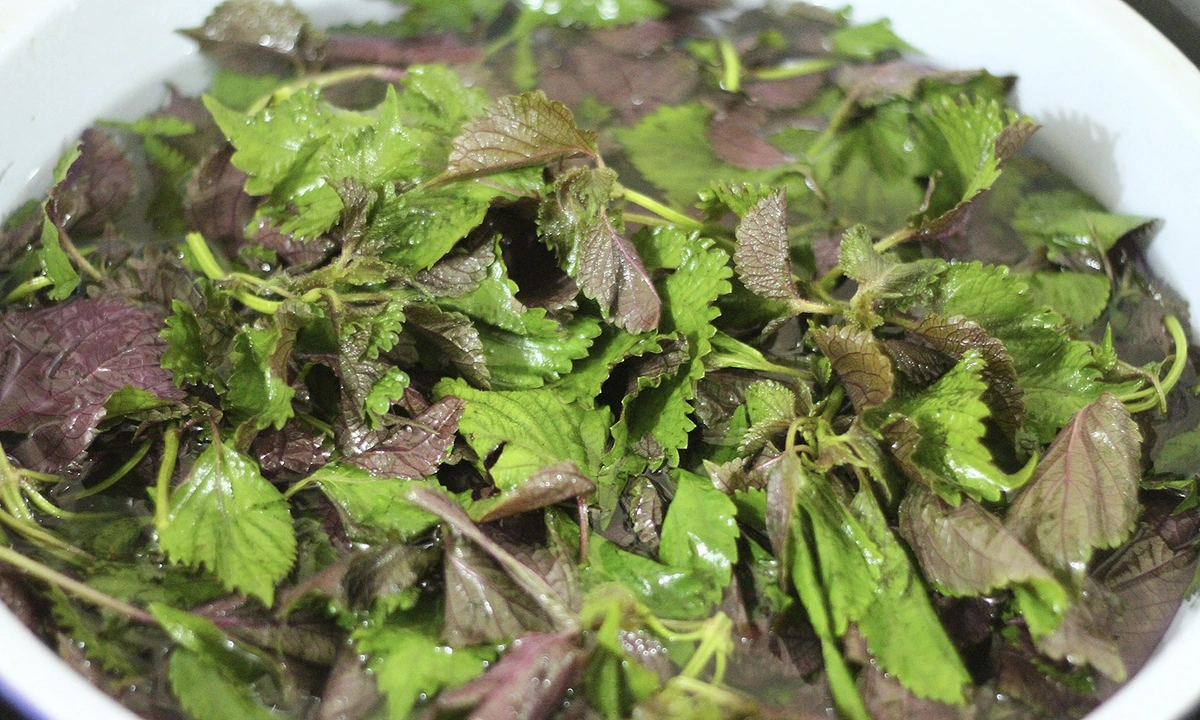
Many women who have recently given birth are purchasing perilla leaves, green tea, and other herbs to create steaming baths daily. The stated goals are to cleanse postpartum discharge and tighten the vaginal area. However, the efficacy and safety of this practice are being questioned. This traditional remedy, often passed down through generations, is popular among some postpartum mothers seeking natural methods for recovery. They believe these herbal concoctions can accelerate wound healing and restore the perineal area's elasticity. The practice involves boiling these ingredients and using the steam for perineal cleansing. While the intention is to promote healing and hygiene, medical professionals often advise caution regarding unverified traditional practices. It is important for new mothers to consult healthcare providers for evidence-based advice on postpartum recovery and perineal care. This ensures that any chosen methods are safe and effective, rather than relying solely on anecdotal evidence or traditional beliefs.
The practice of postpartum perineal steaming with herbs like perilla and green tea reflects a desire for natural healing methods, often rooted in cultural traditions. While these herbs may possess some mild antiseptic or anti-inflammatory properties, their effectiveness in cleansing postpartum discharge or significantly tightening the perineal area is not scientifically established. Relying on such remedies without medical consultation risks delaying proper medical care or introducing infections if hygiene is not meticulously maintained. In the context of modern obstetrics, evidence-based wound care protocols and medical advice are paramount for postpartum recovery. Future approaches to postpartum care may integrate scientifically validated natural therapies, but rigorous testing is necessary to ensure safety and efficacy, moving beyond anecdotal evidence to provide reliable options for new mothers.
AI-generated to prompt reflection — not editorial opinion, not advice, not a statement of fact. How this works.