Potential Super Typhoon Bavi Approaches US Pacific Territories
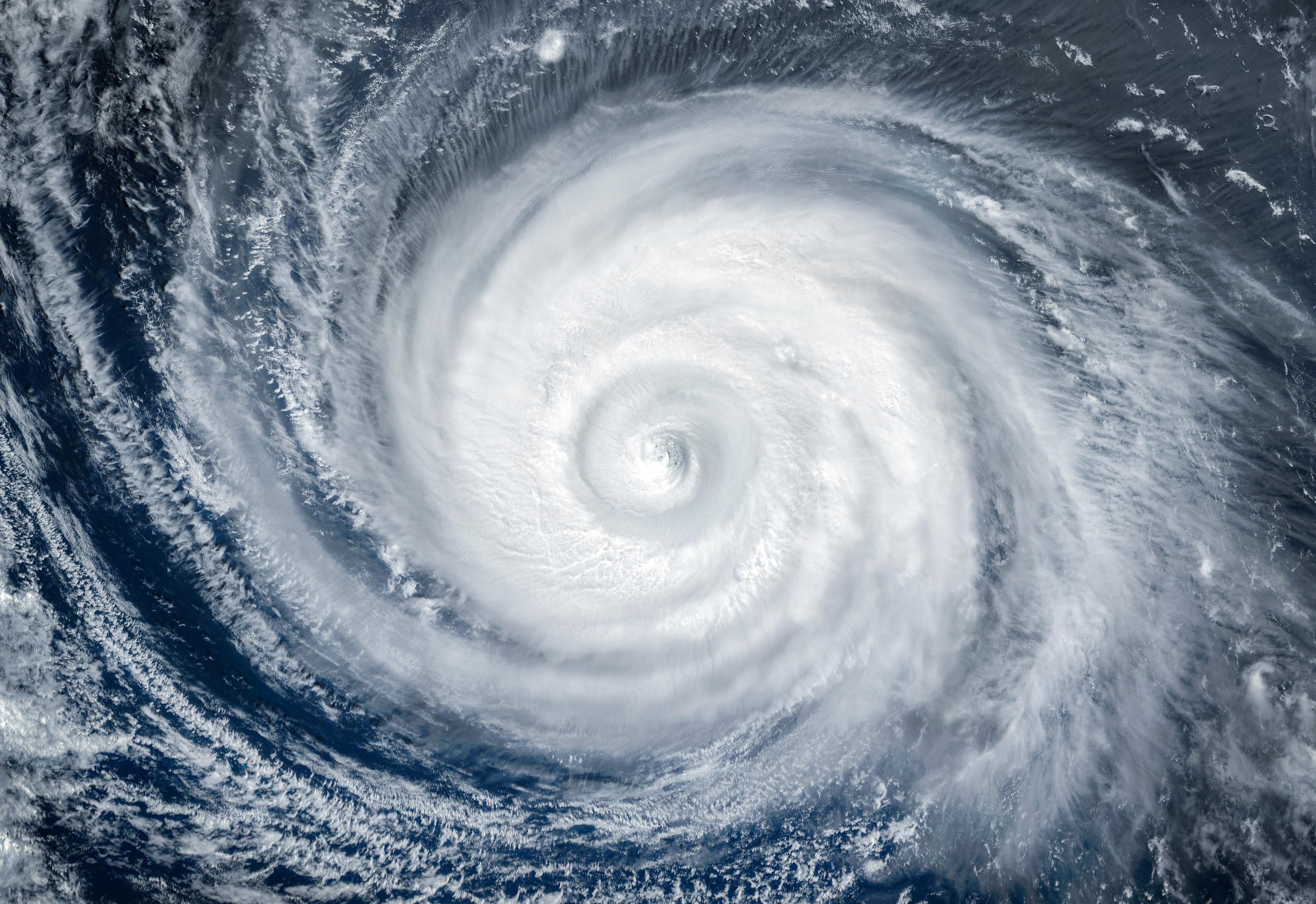
Typhoon Bavi is rapidly intensifying and is on a trajectory that could bring it close to United States territories in the Pacific. As of 03:00 GMT on Friday, the storm was packing sustained winds of 90 knots, equivalent to 167 kilometers per hour. The Joint Typhoon Warning Center (JTWC) reported its position to be between the Marshall Islands and the Northern Mariana Islands. This proximity raises concerns about potential impacts on these vulnerable island communities. Forecasters are closely monitoring the storm's development, as a further increase in wind speed could elevate it to super typhoon status. Such a designation signifies a storm of immense destructive power, capable of causing widespread devastation.
The approach of Typhoon Bavi highlights the increasing vulnerability of Pacific island nations and U.S. territories to extreme weather events, a trend consistent with climate change projections. The JTWC's classification and tracking underscore the importance of robust early warning systems and disaster preparedness infrastructure. Future resilience will depend on coordinated international efforts, investment in climate adaptation strategies, and the development of more sophisticated predictive models to anticipate the intensification and track of such powerful storms, ensuring timely evacuations and minimizing potential damage.
AI-generated to prompt reflection — not editorial opinion, not advice, not a statement of fact. How this works.