Pottery's Therapeutic Appeal: A Post-Pandemic Surge in Demand for Hands-On Creativity
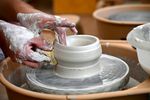
Following the COVID-19 pandemic, many individuals have discovered the therapeutic benefits of working with clay, describing it as a form of "meditation with dirty hands." This newfound appreciation for tactile creativity has led to a significant increase in the popularity of pottery workshops and courses. As a result, these classes and studios are experiencing high booking rates. The practice offers a hands-on, grounding experience that has resonated with people seeking mindful activities and a creative outlet. The demand for such artisanal pursuits appears to be a lasting trend, extending beyond the initial lockdowns. This surge highlights a broader societal interest in activities that promote well-being and offer a tangible connection to the creative process. The accessibility and inherent meditative quality of pottery have made it an attractive option for stress relief and personal fulfillment.
The post-pandemic surge in pottery participation reflects a broader societal shift towards seeking tangible, mindful activities as a counterbalance to digital immersion and the stresses of modern life. This trend highlights a growing market for experiences that offer both creative expression and therapeutic benefits. As individuals increasingly prioritize mental well-being, businesses and educational institutions offering artisanal crafts are well-positioned to capitalize on this demand. The challenge for these providers will be to scale their offerings sustainably while maintaining the authentic, hands-on experience that draws participants. Future developments may see further integration of these practices into wellness programs and corporate retreats, recognizing their potential for stress reduction and team building.
AI-generated to prompt reflection — not editorial opinion, not advice, not a statement of fact. How this works.